


- Afhalen na 1 uur in een winkel met voorraad
- Gratis thuislevering in België vanaf € 30
- Ruim aanbod met 7 miljoen producten
- Afhalen na 1 uur in een winkel met voorraad
- Gratis thuislevering in België vanaf € 30
- Ruim aanbod met 7 miljoen producten





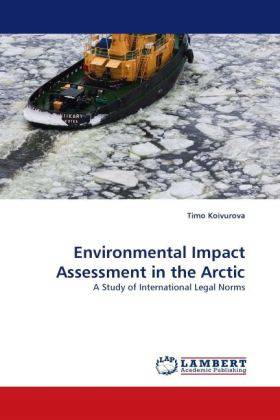
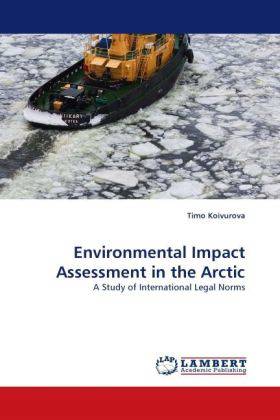
Environmental Impact Assessment in the Arctic
A Study of International Legal Norms
Timo Koivurova
Paperback | Engels
€ 115,95
+ 231 punten
Omschrijving
Environmental impact assessment in the Arctic presents a probing examination of the norms of international law that apply to the planning stage of large-scale activities such as hydrocarbon exploitation, mineral extraction and forestry. While the norms that regulate these activities belong mainly to international environmental law, also human rights law, in particular the law relating to indigenous peoples is important. The book will examine the sovereignty situation in the region and the establishment and functioning of the Arctic Council, a high-level platform between the eight Arctic States (the United States, the Russian Federation, Canada and the five Nordic States) and the region's indigenous peoples. Moreover, a detailed look at the evolving regime of the Espoo Convention on Environmental Impact Assessment in a Transboundary Context is taken.
Specificaties
Betrokkenen
- Auteur(s):
- Uitgeverij:
Inhoud
- Aantal bladzijden:
- 312
- Taal:
- Engels
Eigenschappen
- Productcode (EAN):
- 9783838353586
- Verschijningsdatum:
- 30/06/2010
- Uitvoering:
- Paperback
- Formaat:
- Trade paperback (VS)
- Afmetingen:
- 152 mm x 229 mm
- Gewicht:
- 458 g


Alleen bij Standaard Boekhandel
+ 231 punten op je klantenkaart van Standaard Boekhandel
CADEAU


Beoordelingen
We publiceren alleen reviews die voldoen aan de voorwaarden voor reviews. Bekijk onze voorwaarden voor reviews.