


- Afhalen na 1 uur in een winkel met voorraad
- Gratis thuislevering in België vanaf € 30
- Ruim aanbod met 7 miljoen producten
- Afhalen na 1 uur in een winkel met voorraad
- Gratis thuislevering in België vanaf € 30
- Ruim aanbod met 7 miljoen producten





€ 22,95
+ 45 punten
Uitvoering
Omschrijving
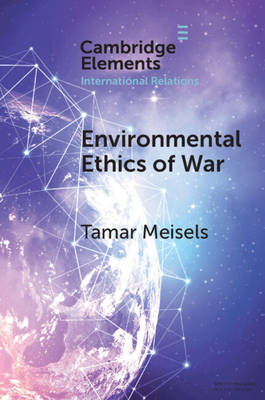
War is bad for nature, yet relatively little attention has been devoted to environmental military ethics by just war theorists and philosophers of war. Most wars since 1945 have been civil conflicts, often in areas containing the greatest biodiversity. Combining environmental ethics with ethics of war, this Element examines how the environmental crisis should challenge and change the rules of war. While environmental wartime regulation has been addressed rarely by just war theorists, environmental jus ad bellum has hardly been tackled at all. Can environmental harm trigger a new justification for war? Can targeting nature constitute terrorism? And what would be a proportionate response to 'environmental aggression'? With global degradation and climate change right around the corner, this Element discusses some of the most pressing practical ethics issues of our times, suggesting that grave environmental transgressions should be combatted by measures that do not themselves cause disproportionate harm to nature.
Specificaties
Betrokkenen
- Auteur(s):
- Uitgeverij:
Inhoud
- Aantal bladzijden:
- 84
- Taal:
- Engels
- Reeks:
Eigenschappen
- Productcode (EAN):
- 9781009622691
- Verschijningsdatum:
- 24/04/2025
- Uitvoering:
- Paperback
- Formaat:
- Trade paperback (VS)
- Afmetingen:
- 152 mm x 229 mm
- Gewicht:
- 127 g


Alleen bij Standaard Boekhandel
+ 45 punten op je klantenkaart van Standaard Boekhandel
Cadeau

AANGERADEN


Beoordelingen
We publiceren alleen reviews die voldoen aan de voorwaarden voor reviews. Bekijk onze voorwaarden voor reviews.