


- Afhalen na 1 uur in een winkel met voorraad
- Gratis thuislevering in België vanaf € 30
- Ruim aanbod met 7 miljoen producten
- Afhalen na 1 uur in een winkel met voorraad
- Gratis thuislevering in België vanaf € 30
- Ruim aanbod met 7 miljoen producten





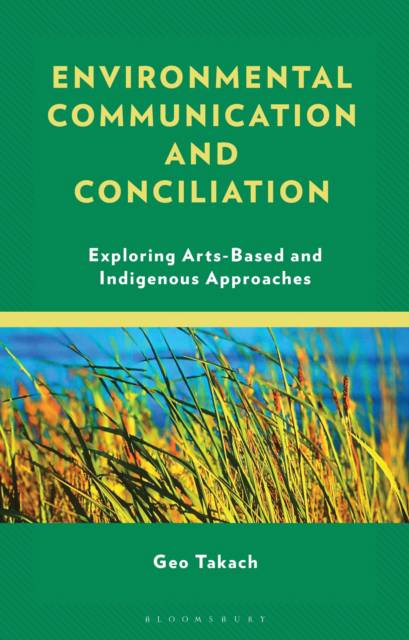
Environmental Communication and Conciliation
Exploring Arts-Based and Indigenous Approaches
Geo Takach
€ 203,95
+ 407 punten
Omschrijving
This book explores methods of bringing environmentalist, art-based and Indigenous ways of knowing and being into dialogue to improve relationships with the Earth and Her First Peoples.
Geo Takach argues that two of the greatest crimes committed by humanity - environmental devastation and the continued dishonour, dispossession and attempted eradication of Indigenous peoples - are entwined and need to be addressed together. Rooted in communication and cultural studies, this book explores ways to bring environmental, arts-based, and Indigenous ways of knowing and being into dialogue towards improving relationships with the Earth and Her First Peoples.
Through this multimodal exploration, the book builds an analytical foundation for that alliance by considering causes and challenges common to ecological and human colonization. Joined by a generous array of Indigenous and non-Indigenous knowledge-keepers, artists, scholars and citizens, Takach then demonstrates how we can interweave environmental, arts-based and Indigenous perspectives and collaborative meaning-making in our communications to inspire what he calls environmental conciliation.
Geo Takach argues that two of the greatest crimes committed by humanity - environmental devastation and the continued dishonour, dispossession and attempted eradication of Indigenous peoples - are entwined and need to be addressed together. Rooted in communication and cultural studies, this book explores ways to bring environmental, arts-based, and Indigenous ways of knowing and being into dialogue towards improving relationships with the Earth and Her First Peoples.
Through this multimodal exploration, the book builds an analytical foundation for that alliance by considering causes and challenges common to ecological and human colonization. Joined by a generous array of Indigenous and non-Indigenous knowledge-keepers, artists, scholars and citizens, Takach then demonstrates how we can interweave environmental, arts-based and Indigenous perspectives and collaborative meaning-making in our communications to inspire what he calls environmental conciliation.
Specificaties
Betrokkenen
- Auteur(s):
- Uitgeverij:
Inhoud
- Aantal bladzijden:
- 240
- Taal:
- Engels
- Reeks:
Eigenschappen
- Productcode (EAN):
- 9781666926033
- Verschijningsdatum:
- 11/12/2025
- Uitvoering:
- Hardcover
- Formaat:
- Genaaid
- Afmetingen:
- 152 mm x 229 mm
- Gewicht:
- 485 g


Alleen bij Standaard Boekhandel
+ 407 punten op je klantenkaart van Standaard Boekhandel
AANGERADEN


Beoordelingen
We publiceren alleen reviews die voldoen aan de voorwaarden voor reviews. Bekijk onze voorwaarden voor reviews.