


- Afhalen na 1 uur in een winkel met voorraad
- Gratis thuislevering in België vanaf € 30
- Ruim aanbod met 7 miljoen producten
- Afhalen na 1 uur in een winkel met voorraad
- Gratis thuislevering in België vanaf € 30
- Ruim aanbod met 7 miljoen producten





€ 233,95
+ 467 punten
Uitvoering
Omschrijving
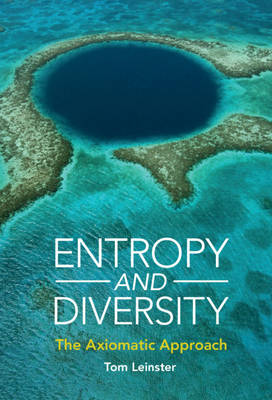
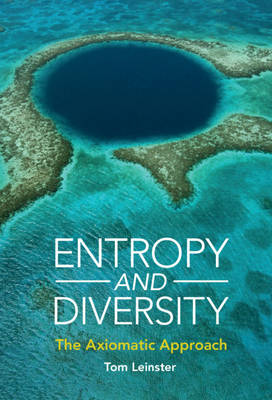
The global biodiversity crisis is one of humanity's most urgent problems, but even quantifying biological diversity is a difficult mathematical and conceptual challenge. This book brings new mathematical rigour to the ongoing debate. It was born of research in category theory, is given strength by information theory, and is fed by the ancient field of functional equations. It applies the power of the axiomatic method to a biological problem of pressing concern, but it also presents new theorems that stand up as mathematics in their own right, independently of any application. The question 'what is diversity?' has surprising mathematical depth, and this book covers a wide breadth of mathematics, from functional equations to geometric measure theory, from probability theory to number theory. Despite this range, the mathematical prerequisites are few: the main narrative thread of this book requires no more than an undergraduate course in analysis.
Specificaties
Betrokkenen
- Auteur(s):
- Uitgeverij:
Inhoud
- Aantal bladzijden:
- 458
- Taal:
- Engels
Eigenschappen
- Productcode (EAN):
- 9781108832700
- Verschijningsdatum:
- 22/04/2021
- Uitvoering:
- Hardcover
- Formaat:
- Genaaid
- Afmetingen:
- 152 mm x 229 mm
- Gewicht:
- 839 g


Alleen bij Standaard Boekhandel
+ 467 punten op je klantenkaart van Standaard Boekhandel
Cadeau

AANGERADEN


Beoordelingen
We publiceren alleen reviews die voldoen aan de voorwaarden voor reviews. Bekijk onze voorwaarden voor reviews.