


- Afhalen na 1 uur in een winkel met voorraad
- Gratis thuislevering in België vanaf € 30
- Ruim aanbod met 7 miljoen producten
- Afhalen na 1 uur in een winkel met voorraad
- Gratis thuislevering in België vanaf € 30
- Ruim aanbod met 7 miljoen producten





€ 25,45
+ 50 punten
Omschrijving
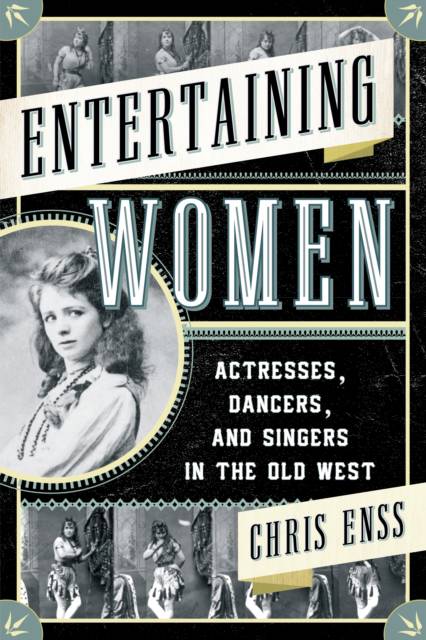
The Gold Rush West was dotted with mining boomtowns and bustling new cities that sprang up overnight around strikes. Fortunes were made and lost daily, lawlessness was commonplace, and gambling dens, saloons, brothels, and dance halls thrived, but after a while the miners and merchants began to long for more polished amusements. Soon, theatres popped up in tents and then auditoriums and playhouses were built where operas, arias, and Shakespeare were performed by brave actors, dancers, singers, and daredevils who were lured by the call of the West.
Many of the most popular women entertainers of the mid-and late-1800s performed in the boomtowns that dotted the West, drawn by the same desire for riches that took miners and merchants there, and bringing a variety of talents and programs. Though they were sometimes literally showered with gold, their personal lives were often marked by tragedy and unhappiness. These stories reveal the entertaining side, but also some of the hardship of the American West.
Many of the most popular women entertainers of the mid-and late-1800s performed in the boomtowns that dotted the West, drawn by the same desire for riches that took miners and merchants there, and bringing a variety of talents and programs. Though they were sometimes literally showered with gold, their personal lives were often marked by tragedy and unhappiness. These stories reveal the entertaining side, but also some of the hardship of the American West.
Specificaties
Betrokkenen
- Auteur(s):
- Uitgeverij:
Inhoud
- Aantal bladzijden:
- 224
- Taal:
- Engels
Eigenschappen
- Productcode (EAN):
- 9781442247338
- Verschijningsdatum:
- 5/10/2015
- Uitvoering:
- Paperback
- Formaat:
- Trade paperback (VS)
- Afmetingen:
- 152 mm x 229 mm
- Gewicht:
- 408 g


Alleen bij Standaard Boekhandel
+ 50 punten op je klantenkaart van Standaard Boekhandel
Cadeau

AANGERADEN


Beoordelingen
We publiceren alleen reviews die voldoen aan de voorwaarden voor reviews. Bekijk onze voorwaarden voor reviews.