



Je cadeautjes zeker op tijd in huis hebben voor de feestdagen? Kom langs in onze winkels en vind het perfecte geschenk!
- Afhalen na 1 uur in een winkel met voorraad
- Gratis thuislevering in België vanaf € 30
- Ruim aanbod met 7 miljoen producten
Je cadeautjes zeker op tijd in huis hebben voor de feestdagen? Kom langs in onze winkels en vind het perfecte geschenk!
- Afhalen na 1 uur in een winkel met voorraad
- Gratis thuislevering in België vanaf € 30
- Ruim aanbod met 7 miljoen producten





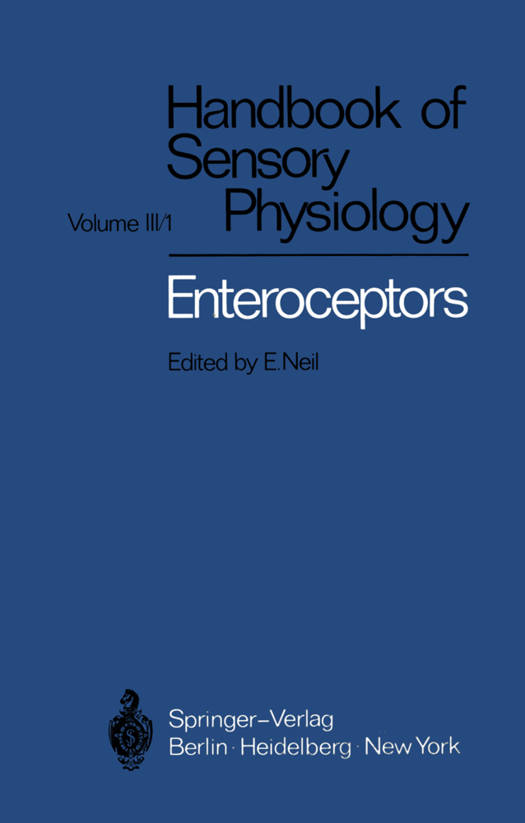
Enteroceptors
B Andersson, M Fillenz, R F Hellon, A Howe, B F Leek, E Neil, A S Paintal, J G Widdicombe
€ 139,95
+ 279 punten
Omschrijving
This series of concise essays on Enteroceptors is designed to interest the gradu- ate student and to stimulate research. Even before the advent of electrophysiological studies, classical physiological techniques had shown the essence of the role of many of the enteroceptors. Thus the monitoring influence of the cardiovascular mechanoreceptors on the heart and on the systemic vascular resistance, the role of the arterial chemoreceptors in hypoxia and the influence of the so-called Hering Breuer stretch receptors on breathing had all been documented. The pioneering work of ADRIAN, BRONK, ZOTTERMAN and others using electroneurographic methods gave a remarkable impetus to the study of the enteroceptors themselves. Nowhere is this better exemplificd than in the case of the afferent end organs of the heart, the respiratory tract and the abdominal and pelvic viscera. The remarkable development of our knowledge of the multiplicity of types of nerve endings from the thoracic and abdominal viscera acquired from electrophysiological studies has refocussed our attention on the histological details of the sites of such receptors. Once more research on the structural side has been accelerated by the question raised by evidence obtained from functional studies. This is well illustrated in the case of the carotid body, where the long cherished belief that the innervated epithelioid cells constitute the chemoreceptor complex is now under attack. The detailed consideration of the functional characteristics of each entero- ceptor considered has not occupied our whole attention.
Specificaties
Betrokkenen
- Auteur(s):
- Uitgeverij:
Inhoud
- Aantal bladzijden:
- 252
- Taal:
- Engels
- Reeks:
Eigenschappen
- Productcode (EAN):
- 9783642652547
- Verschijningsdatum:
- 11/11/2011
- Uitvoering:
- Paperback
- Formaat:
- Trade paperback (VS)
- Afmetingen:
- 170 mm x 244 mm
- Gewicht:
- 417 g


Alleen bij Standaard Boekhandel
+ 279 punten op je klantenkaart van Standaard Boekhandel
CADEAU


Beoordelingen
We publiceren alleen reviews die voldoen aan de voorwaarden voor reviews. Bekijk onze voorwaarden voor reviews.