


- Afhalen na 1 uur in een winkel met voorraad
- Gratis thuislevering in België vanaf € 30
- Ruim aanbod met 7 miljoen producten
- Afhalen na 1 uur in een winkel met voorraad
- Gratis thuislevering in België vanaf € 30
- Ruim aanbod met 7 miljoen producten





€ 343,45
+ 686 punten
Omschrijving
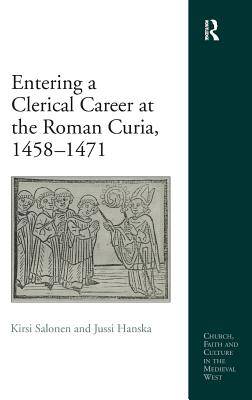
Building on recent revisionist histories of the quality and ability of the late medieval clergy, this is a comprehensive survey of the ordinations of priests at the Roman curia during the pontificates of Pius II (1458-1464) and Paul II (1464-1471). The study analyses archival documentation to reconstruct exactly how young men entered a clerical career, and also what influence practices at the curia had on wider clerical ordinations. The book concentrates especially on the role of the Apostolic Penitentiary in controlling the quality of priest candidates and on the role of Camera Apostolica in carrying out ecclesiastical ordinations in the papal curia.
Specificaties
Betrokkenen
- Auteur(s):
- Uitgeverij:
Inhoud
- Aantal bladzijden:
- 310
- Taal:
- Engels
- Reeks:
Eigenschappen
- Productcode (EAN):
- 9781409428398
- Verschijningsdatum:
- 15/02/2013
- Uitvoering:
- Hardcover
- Formaat:
- Genaaid
- Afmetingen:
- 156 mm x 234 mm
- Gewicht:
- 612 g


Alleen bij Standaard Boekhandel
+ 686 punten op je klantenkaart van Standaard Boekhandel
Cadeau

AANGERADEN


Beoordelingen
We publiceren alleen reviews die voldoen aan de voorwaarden voor reviews. Bekijk onze voorwaarden voor reviews.