



Je cadeautjes zeker op tijd in huis hebben voor de feestdagen? Kom langs in onze winkels en vind het perfecte geschenk!
- Afhalen na 1 uur in een winkel met voorraad
- Gratis thuislevering in België vanaf € 30
- Ruim aanbod met 7 miljoen producten
Je cadeautjes zeker op tijd in huis hebben voor de feestdagen? Kom langs in onze winkels en vind het perfecte geschenk!
- Afhalen na 1 uur in een winkel met voorraad
- Gratis thuislevering in België vanaf € 30
- Ruim aanbod met 7 miljoen producten





Omschrijving
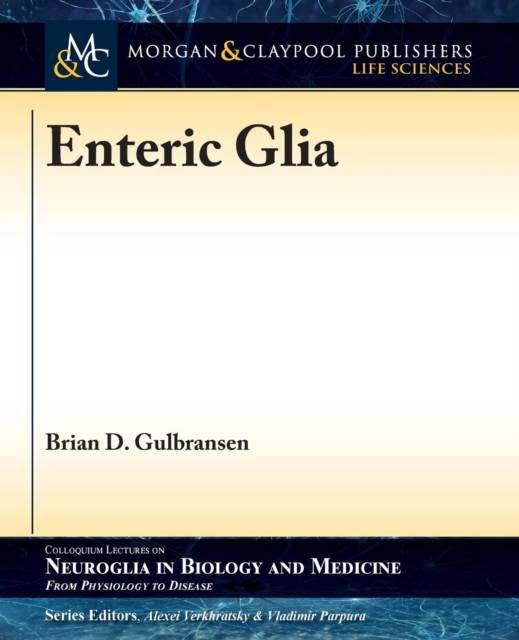
The enteric nervous system (ENS) is a complex neural network embedded in the gut wall that orchestrates the reflex behaviors of the intestine. The ENS is often referred to as the "little brain" in the gut because the ENS is more similar in size, complexity and autonomy to the central nervous system (CNS) than other components of the autonomic nervous system. Like the brain, the ENS is composed of neurons that are surrounded by glial cells. Enteric glia are a unique type of peripheral glia that are similar to astrocytes of the CNS. Yet enteric glial cells also differ from astrocytes in many important ways. The roles of enteric glial cell populations in the gut are beginning to come to light and recent evidence implicates enteric glia in almost every aspect of gastrointestinal physiology and pathophysiology. However, elucidating the exact mechanisms by which enteric glia influence gastrointestinal physiology and identifying how those roles are altered during gastrointestinal pathophysiology remain areas of intense research. The purpose of this e-book is to provide an introduction to enteric glial cells and to act as a resource for ongoing studies on this fascinating population of glia. Table of Contents: Introduction / A Historical Perspective on Enteric Glia / Enteric Glia: The Astroglia of the Gut / Molecular Composition of Enteric Glia / Development of Enteric Glia / Functional Roles of Enteric Glia / Enteric Glia and Disease Processes in the Gut / Concluding Remarks / References / Author Biography
Specificaties
Betrokkenen
- Auteur(s):
- Uitgeverij:
Inhoud
- Aantal bladzijden:
- 70
- Taal:
- Engels
- Reeks:
Eigenschappen
- Productcode (EAN):
- 9781615046607
- Verschijningsdatum:
- 1/07/2014
- Uitvoering:
- Paperback
- Formaat:
- Trade paperback (VS)
- Afmetingen:
- 190 mm x 235 mm
- Gewicht:
- 140 g


Alleen bij Standaard Boekhandel
+ 183 punten op je klantenkaart van Standaard Boekhandel
CADEAU


Beoordelingen
We publiceren alleen reviews die voldoen aan de voorwaarden voor reviews. Bekijk onze voorwaarden voor reviews.