


- Afhalen na 1 uur in een winkel met voorraad
- Gratis thuislevering in België vanaf € 30
- Ruim aanbod met 7 miljoen producten
- Afhalen na 1 uur in een winkel met voorraad
- Gratis thuislevering in België vanaf € 30
- Ruim aanbod met 7 miljoen producten





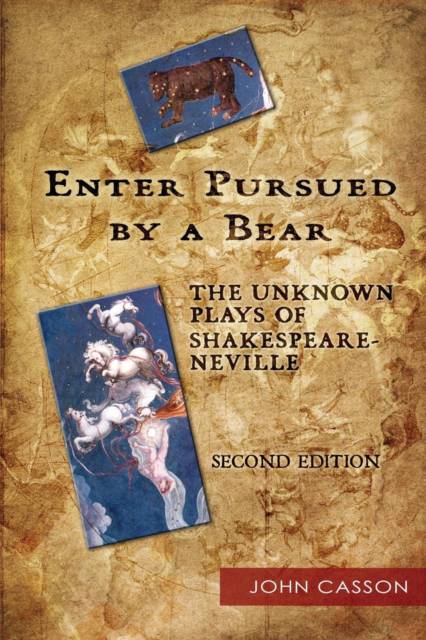
Enter Pursued by a Bear
The Unknown Plays of Shakespeare-Neville 2nd Edition
John Casson
Paperback | Engels
€ 41,95
+ 83 punten
Eenvoudig bestellen
Veilig betalen


Gratis thuislevering vanaf € 30 (via bpost)
Gratis levering in je Standaard Boekhandel
Omschrijving
Following Brenda James's discovery of the true identity of the writer of Shakespeare's works, Henry Neville, John Casson has applied this to apocryphal works with startling results. He has thus discovered: Neville's first nom-de-plume (before he used the name 'Shakespeare'); Shakespeare-Neville's first published poem: the Phaeton sonnet; Shakespeare-Neville's first comedy: Mucedorus; Shakespeare-Neville's first tragedies: Locrine and Arden of Faversham; Shakespeare-Neville's first Falstaff: ten years before the Henry IV plays. Dr. Casson also explores Thomas of Woodstock and A Yorkshire Tragedy, revealing the connections between them and Henry Neville's life and letters. He reclaims the lost play Cardenio in the surviving text of Double Falshood, showing that this is a genuine work by Shakespeare-Neville and John Fletcher. After 400 years we can now see Shakespeare-Neville's artistic development before his early known works. John Casson, PhD, is an independent researcher, psychotherapist and playwright. "an outstanding achievement... lively and readable" ... "If you enjoy solving puzzles, then this is a book for you. If you enjoy Shakespeare but wish there was more, then read this book." Brenda James in her Foreword. "a work of first class research and scholarship ... fascinating..." Sir Derek Jacobi
Specificaties
Betrokkenen
- Auteur(s):
- Uitgeverij:
Inhoud
- Aantal bladzijden:
- 280
- Taal:
- Engels
Eigenschappen
- Productcode (EAN):
- 9781905424061
- Verschijningsdatum:
- 16/03/2009
- Uitvoering:
- Paperback
- Formaat:
- Trade paperback (VS)
- Afmetingen:
- 152 mm x 229 mm
- Gewicht:
- 376 g


Alleen bij Standaard Boekhandel
+ 83 punten op je klantenkaart van Standaard Boekhandel
CADEAU

AANGERADEN


Beoordelingen
We publiceren alleen reviews die voldoen aan de voorwaarden voor reviews. Bekijk onze voorwaarden voor reviews.