


- Afhalen na 1 uur in een winkel met voorraad
- Gratis thuislevering in België vanaf € 30
- Ruim aanbod met 7 miljoen producten
- Afhalen na 1 uur in een winkel met voorraad
- Gratis thuislevering in België vanaf € 30
- Ruim aanbod met 7 miljoen producten





€ 32,45
+ 64 punten
Omschrijving
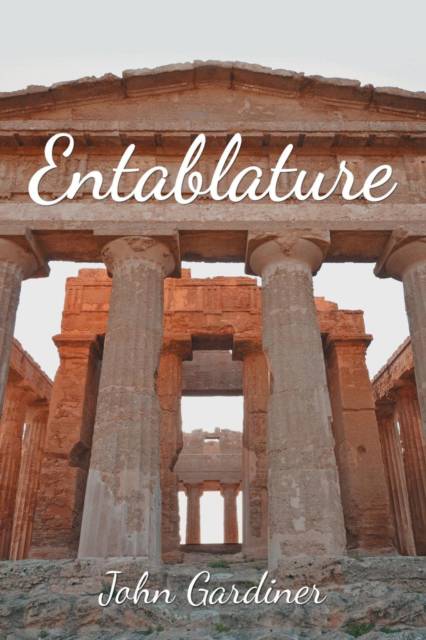
Entablatures eponymous novelist undertakes an exploration of the conceptual implications held by the word palimpsest, using the gift of self-consciousness to place his origin within a presence he identifies as the inner thinker, the latter derivative from Rne Descartess famous dictum: Cogito ergo sum [I think, therefore I am]. Palimpsest postulates a practice whereby ancient manuscripts were reused by superimposing later writing over earlier work, which was not completely erased. Therefore, traces of the earlier writing become visible, intermixing with later text, an image the eponymous novelist utilises to startling effect in Entablature. Crises unsettle the novelist. The year is 2017, the centenary of the infamous 1917 Bolshevik Revolution, a traumatic memory colouring his meditations and social interactions, coupled with uncertainty surrounding the future of his romantic relationship with a corporate lawyer. Law is a pivotal point of contention, and the conflicting controversies between human, spiritual, and the laws of physics are interblended, creating subtext on the palimpsest of existence for the dramatis personae. Determinism and free will are cross-hatched in the weave of existence when the novelist has a chance encounter with his deceased sisters exbest friend, a social diarist. The novelist undertakes the creation of a new book, an epistolary novella, Hygeia, the text of which is included in full within Entablature. But is it the visible trace of an earlier embodiment visible through the text of his current existence? Enhancing the originality of this existential format are quoted samples from one of the novelists earlier books, Russian BrideRose Slavy, the latter name created by the iconic artist Marcel Duchamp.
Specificaties
Betrokkenen
- Auteur(s):
- Uitgeverij:
Inhoud
- Aantal bladzijden:
- 670
- Taal:
- Engels
Eigenschappen
- Productcode (EAN):
- 9781543409482
- Verschijningsdatum:
- 1/06/2018
- Uitvoering:
- Paperback
- Formaat:
- Trade paperback (VS)
- Afmetingen:
- 152 mm x 229 mm
- Gewicht:
- 966 g


Alleen bij Standaard Boekhandel
+ 64 punten op je klantenkaart van Standaard Boekhandel
Cadeau

AANGERADEN


Beoordelingen
We publiceren alleen reviews die voldoen aan de voorwaarden voor reviews. Bekijk onze voorwaarden voor reviews.