


- Afhalen na 1 uur in een winkel met voorraad
- Gratis thuislevering in België vanaf € 30
- Ruim aanbod met 7 miljoen producten
- Afhalen na 1 uur in een winkel met voorraad
- Gratis thuislevering in België vanaf € 30
- Ruim aanbod met 7 miljoen producten





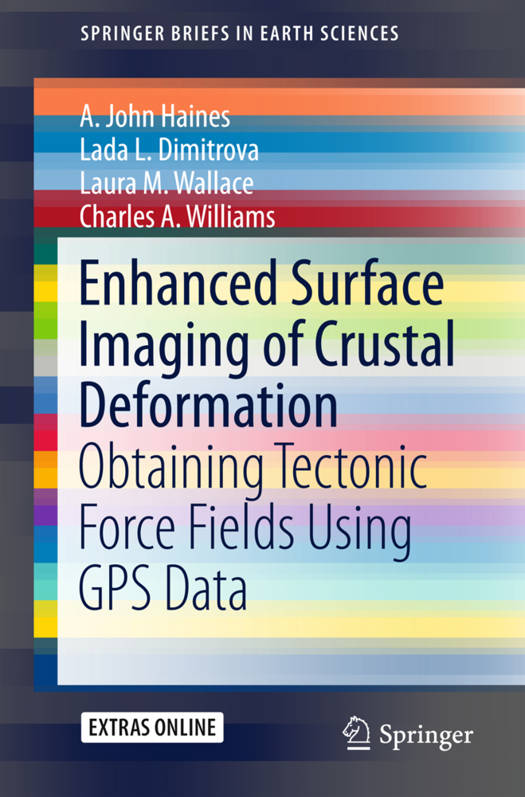
Enhanced Surface Imaging of Crustal Deformation
Obtaining Tectonic Force Fields Using GPS Data
A. John Haines, Lada L. Dimitrova, Laura M. Wallace, Charles Williams
€ 54,45
+ 108 punten
Omschrijving
This book takes an in depth look at a novel methodology for analyzing Global Positioning System (GPS) data to obtain the highest possible resolution surface imaging of tectonic deformation sources without prescribing the nature of either the sources or the subsurface medium.
Specificaties
Betrokkenen
- Auteur(s):
- Uitgeverij:
Inhoud
- Aantal bladzijden:
- 99
- Taal:
- Engels
- Reeks:
Eigenschappen
- Productcode (EAN):
- 9783319215778
- Verschijningsdatum:
- 26/08/2015
- Uitvoering:
- Paperback
- Afmetingen:
- 155 mm x 234 mm
- Gewicht:
- 204 g


Alleen bij Standaard Boekhandel
+ 108 punten op je klantenkaart van Standaard Boekhandel
Cadeau

AANGERADEN


Beoordelingen
We publiceren alleen reviews die voldoen aan de voorwaarden voor reviews. Bekijk onze voorwaarden voor reviews.