



- Afhalen na 1 uur in een winkel met voorraad
- In januari gratis thuislevering in België
- Ruim aanbod met 7 miljoen producten
- Afhalen na 1 uur in een winkel met voorraad
- In januari gratis thuislevering in België
- Ruim aanbod met 7 miljoen producten





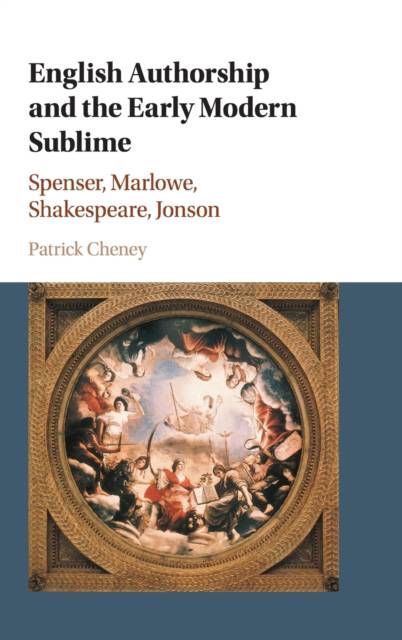
English Authorship and the Early Modern Sublime
Spenser, Marlowe, Shakespeare, Jonson
Patrick Cheney
Hardcover | Engels
€ 183,45
+ 366 punten
Uitvoering
Omschrijving
Patrick Cheney's new book places the sublime at the heart of poems and plays in late sixteenth- and early seventeenth-century England. Specifically, Cheney argues for the importance of an 'early modern sublime' to the advent of modern authorship in Spenser, Marlowe, Shakespeare, and Jonson. Chapters feature a model of creative excellence and social liberty that helps explain the greatness of the English Renaissance. Cheney's argument revises the received wisdom, which locates the sublime in the eighteenth-century philosophical 'subject'. The book demonstrates that canonical works like The Faerie Queene and King Lear reinvent sublimity as a new standard of authorship. This standard emerges not only in rational, patriotic paradigms of classical and Christian goodness but also in the eternizing greatness of the author's work: free, heightened, ecstatic. Playing a centralizing role in the advent of modern authorship, the early modern sublime becomes a catalyst in the formation of an English canon.
Specificaties
Betrokkenen
- Auteur(s):
- Uitgeverij:
Inhoud
- Aantal bladzijden:
- 328
- Taal:
- Engels
Eigenschappen
- Productcode (EAN):
- 9781107049628
- Verschijningsdatum:
- 29/03/2018
- Uitvoering:
- Hardcover
- Formaat:
- Genaaid
- Afmetingen:
- 182 mm x 236 mm
- Gewicht:
- 616 g


Alleen bij Standaard Boekhandel
+ 366 punten op je klantenkaart van Standaard Boekhandel
Cadeau

AANGERADEN


Beoordelingen
We publiceren alleen reviews die voldoen aan de voorwaarden voor reviews. Bekijk onze voorwaarden voor reviews.