


- Afhalen na 1 uur in een winkel met voorraad
- Gratis thuislevering in België vanaf € 30
- Ruim aanbod met 7 miljoen producten
- Afhalen na 1 uur in een winkel met voorraad
- Gratis thuislevering in België vanaf € 30
- Ruim aanbod met 7 miljoen producten





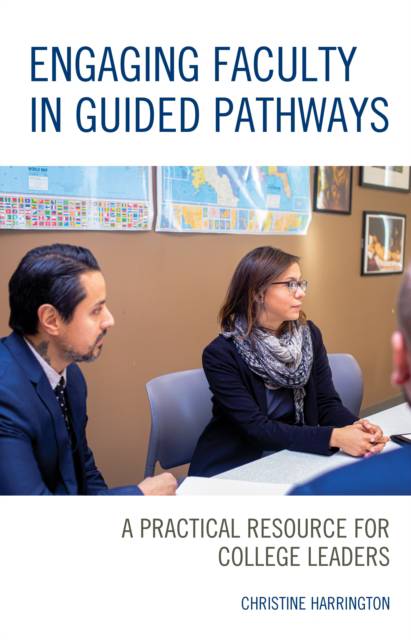
Engaging Faculty in Guided Pathways
A Practical Resource for College Leaders
Christine Harrington
Paperback | Engels
€ 55,95
+ 111 punten
Uitvoering
Omschrijving
Engaging faculty in Guided Pathways: A Practical Resource for College Leaders is the first book in a two-book series. It describes the important role of college faculty in student success reform efforts. In particular, it maps out the faculty role in Guided Pathways, a national movement focused on increasing the number of students who earn a degree or credential. It summarizes the primary tasks associated with the four essential practices of Guided Pathways: determining paths, helping students choose a path, helping students stay on a path, and ensuring learning. This book highlights the need for faculty engagement in all aspects of this work and provides practical suggestions and strategies to engage and empower both full and part-time faculty in this work. Moving the needle on student success outcomes requires high-levels of faculty engagement. Colleges are encouraged to invite full and part-time faculty to the table for important conversations about student success reform and to encourage and support faculty leadership in these institutional efforts. Readers will benefit from numerous practical suggestions, including faculty reflect
Specificaties
Betrokkenen
- Auteur(s):
- Uitgeverij:
Inhoud
- Aantal bladzijden:
- 108
- Taal:
- Engels
Eigenschappen
- Productcode (EAN):
- 9781475857542
- Verschijningsdatum:
- 10/07/2020
- Uitvoering:
- Paperback
- Formaat:
- Trade paperback (VS)
- Afmetingen:
- 152 mm x 229 mm
- Gewicht:
- 172 g



Alleen bij Standaard Boekhandel
+ 111 punten op je klantenkaart van Standaard Boekhandel
Cadeau

AANGERADEN


Beoordelingen
We publiceren alleen reviews die voldoen aan de voorwaarden voor reviews. Bekijk onze voorwaarden voor reviews.