


- Afhalen na 1 uur in een winkel met voorraad
- Gratis thuislevering in België vanaf € 30
- Ruim aanbod met 7 miljoen producten
- Afhalen na 1 uur in een winkel met voorraad
- Gratis thuislevering in België vanaf € 30
- Ruim aanbod met 7 miljoen producten





Omschrijving
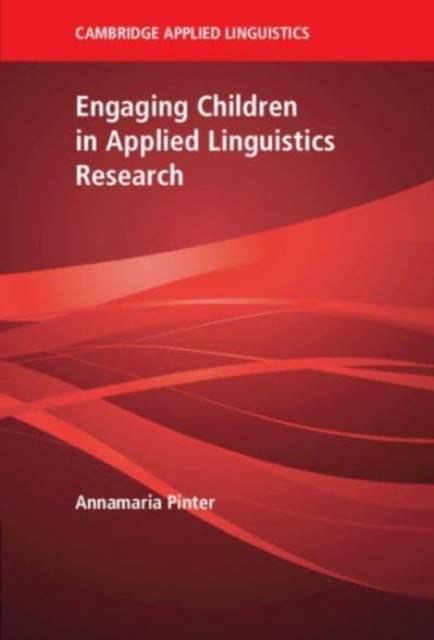
Who should speak for children in applied linguistics research? Should it be only adults, or is there room for children's perspectives and views as well? This pioneering book brings their voices to the forefront and shows that listening to children can open up new possibilities to conduct research with children rather than just on them. It covers a range of possibilities, from simply asking for children's perspectives to increasing levels of active participation, including adult-child partnerships as well as child-led research. Examples taken from the interdisciplinary literature illustrate what is feasible to achieve in different contexts, and both benefits and challenges are discussed, alongside the most pressing ethical dilemmas. A new, alternative framework for researching with children is promoted, which invites teachers and researchers to consider a wider range of roles that children can play, and encourages them to find their own opportunities when it comes to research involving children.
Specificaties
Betrokkenen
- Auteur(s):
- Uitgeverij:
Inhoud
- Aantal bladzijden:
- 340
- Taal:
- Engels
- Reeks:
Eigenschappen
- Productcode (EAN):
- 9781009048873
- Verschijningsdatum:
- 19/10/2023
- Uitvoering:
- Paperback
- Formaat:
- Trade paperback (VS)
- Afmetingen:
- 152 mm x 229 mm
- Gewicht:
- 453 g


Alleen bij Standaard Boekhandel
+ 121 punten op je klantenkaart van Standaard Boekhandel
Cadeau

AANGERADEN


Beoordelingen
We publiceren alleen reviews die voldoen aan de voorwaarden voor reviews. Bekijk onze voorwaarden voor reviews.