



Bedankt voor het vertrouwen het afgelopen jaar! Om jou te bedanken bieden we GRATIS verzending (in België) aan op alles gedurende de hele maand januari.
- Afhalen na 1 uur in een winkel met voorraad
- In januari gratis thuislevering in België
- Ruim aanbod met 7 miljoen producten
Bedankt voor het vertrouwen het afgelopen jaar! Om jou te bedanken bieden we GRATIS verzending (in België) aan op alles gedurende de hele maand januari.
- Afhalen na 1 uur in een winkel met voorraad
- In januari gratis thuislevering in België
- Ruim aanbod met 7 miljoen producten





€ 149,95
+ 299 punten
Omschrijving
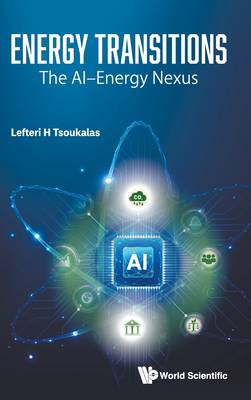
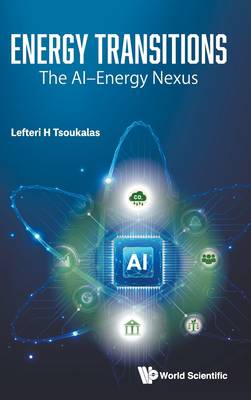
As the global push toward a 'green energy transition' accelerates, this book offers a critical reassessment of the path to Net Zero. Unlike past energy revolutions grounded in physical laws -- such as the mastery of fire or the atomic age -- today's transition is driven largely by policy mandates, subsidies, and climate alarm. Energy Transitions: The Energy-AI Nexus argues that this policy-first approach risks unintended consequences, including global energy scarcity and economic contraction, especially in the absence of scalable alternatives to fossil fuels.Drawing on deep historical analysis, physical principles like energy density and entropy production, and sobering emissions data, the book reveals that global CO2 emissions have continued to rise -- despite more than $10 trillion spent on green initiatives. Instead of pursuing pre-industrial energy paradigms, the book proposes a realistic path to Net Zero: a nuclear energy transition empowered by artificial intelligence. AI is reframed not just as a high-consumption technology, but as a key enabler in managing complex, distributed energy systems. With sharp insights and evidence-based critique, it redefines the debate on climate, energy, and innovation -- calling for realism, urgency, and a reorientation of strategy.Energy Transitions is essential reading for policymakers, technologists, energy analysts, and critical thinkers. Blending insights from climate policy, energy engineering, AI systems, and economic modeling, this book challenges conventional climate narratives and offers a blueprint for a more realistic, resilient energy future.
Specificaties
Betrokkenen
- Auteur(s):
- Uitgeverij:
Inhoud
- Aantal bladzijden:
- 308
- Taal:
- Engels
Eigenschappen
- Productcode (EAN):
- 9789819820436
- Verschijningsdatum:
- 6/12/2025
- Uitvoering:
- Hardcover
- Formaat:
- Genaaid
- Afmetingen:
- 152 mm x 229 mm
- Gewicht:
- 580 g


Alleen bij Standaard Boekhandel
+ 299 punten op je klantenkaart van Standaard Boekhandel
SOLDEN


Beoordelingen
We publiceren alleen reviews die voldoen aan de voorwaarden voor reviews. Bekijk onze voorwaarden voor reviews.