


- Afhalen na 1 uur in een winkel met voorraad
- Gratis thuislevering in België vanaf € 30
- Ruim aanbod met 7 miljoen producten
- Afhalen na 1 uur in een winkel met voorraad
- Gratis thuislevering in België vanaf € 30
- Ruim aanbod met 7 miljoen producten





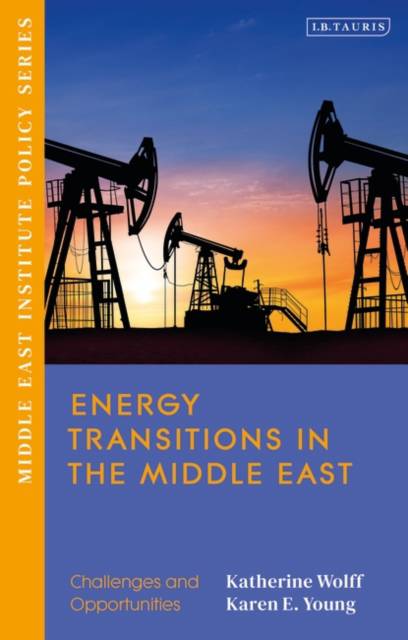
Energy Transitions in the Middle East
Challenges and Opportunities
€ 47,45
+ 94 punten
Omschrijving
How do Middle East energy transitions fit into international energy markets? In this book, energy analysts, geopolitical experts and specialists of political economy examine the new energy potential in the Middle East. The particular focus surrounds how the region's access to finance, combined with the new global regulations and considerations of economic development, shape the region's energy transitions overall.
The Middle East is revealed to be a key site of new energy production, sharing and transmission as well as technology innovation. At the same time, the authors examine the variables that determine the success in each country and energy source, including the advantages that hydrocarbon producers will have in renewables and transition fuels, and the risk that these might slow down the energy transition overall. In doing so, the book situates the energy transition in the Middle East in a broader context of economic development, financing models, and regulations, and explains how this context interacts with the development of new energy sources. Energy Transitions in the Middle East is an account of the challenges Middle Eastern states will face in navigating the global energy transition, as well as their key areas of opportunity.Specificaties
Betrokkenen
- Uitgeverij:
Inhoud
- Aantal bladzijden:
- 328
- Taal:
- Engels
- Reeks:
Eigenschappen
- Productcode (EAN):
- 9780755650378
- Verschijningsdatum:
- 25/01/2024
- Uitvoering:
- Paperback
- Formaat:
- Trade paperback (VS)
- Afmetingen:
- 140 mm x 216 mm
- Gewicht:
- 371 g


Alleen bij Standaard Boekhandel
+ 94 punten op je klantenkaart van Standaard Boekhandel
Cadeau

AANGERADEN


Beoordelingen
We publiceren alleen reviews die voldoen aan de voorwaarden voor reviews. Bekijk onze voorwaarden voor reviews.