


- Afhalen na 1 uur in een winkel met voorraad
- Gratis thuislevering in België vanaf € 30
- Ruim aanbod met 7 miljoen producten
- Afhalen na 1 uur in een winkel met voorraad
- Gratis thuislevering in België vanaf € 30
- Ruim aanbod met 7 miljoen producten





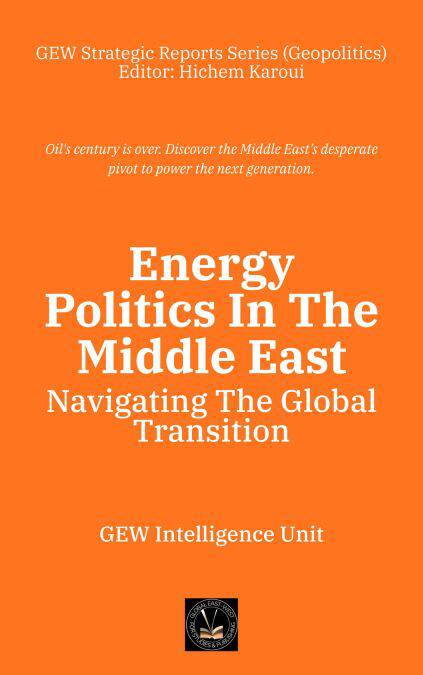
Energy Politics In The Middle East: Navigating The Global Transition E-BOOK
Geopolitics
GEW Intelligence Unit
€ 24,99
+ 24 punten
Omschrijving
From oil supercycles to solar mega-parks, the Middle East is where yesterday's energy meets tomorrow's grid. Energy Politics in the Middle East: Navigating the Global Transition explains how hydrocarbons, renewables, and geopolitics now move in lockstep—and what that means for markets, security, and growth.
This concise, practitioner-focused report tracks the region's energy arc: the historical rise of oil and gas; the bargaining power behind pricing and production; and the strategic surge of LNG. It then pivots to the buildout of solar and wind, the promise and limits of hydrogen and storage, and the digital backbone—smart grids, AI, blockchain—that will determine resilience and competitiveness. You'll also find a frank assessment of diversification programs (including Vision 2030), regulatory reform, cross-border corridors, and the scenarios most likely to shape outcomes through 2030–2050.
What you'll learn:
How oil, gas, and LNG influence diplomacy, conflict risk, and trade routes. Which renewable deployments are investable today—and which technologies will unlock the next wave. How CCS, storage, and hydrogen fit into realistic decarbonization pathways. Why policy design and governance decide whether diversification sticks. How to use scenario planning to navigate volatility and seize opportunity.Ideal for policy professionals, energy executives, investors, researchers, and graduate students, this book turns complexity into clarity—so you can brief, plan, and act.
Specificaties
Betrokkenen
- Auteur(s):
- Uitgeverij:
Inhoud
- Taal:
- Engels
- Reeks:
Eigenschappen
- Productcode (EAN):
- 9798233278013
- Verschijningsdatum:
- 18/02/2026
- Uitvoering:
- E-book
- Beveiligd met:
- Adobe DRM
- Formaat:
- ePub



Alleen bij Standaard Boekhandel
+ 24 punten op je klantenkaart van Standaard Boekhandel
Cadeau

AANGERADEN


Beoordelingen
We publiceren alleen reviews die voldoen aan de voorwaarden voor reviews. Bekijk onze voorwaarden voor reviews.