


- Afhalen na 1 uur in een winkel met voorraad
- Gratis thuislevering in België vanaf € 30
- Ruim aanbod met 7 miljoen producten
- Afhalen na 1 uur in een winkel met voorraad
- Gratis thuislevering in België vanaf € 30
- Ruim aanbod met 7 miljoen producten





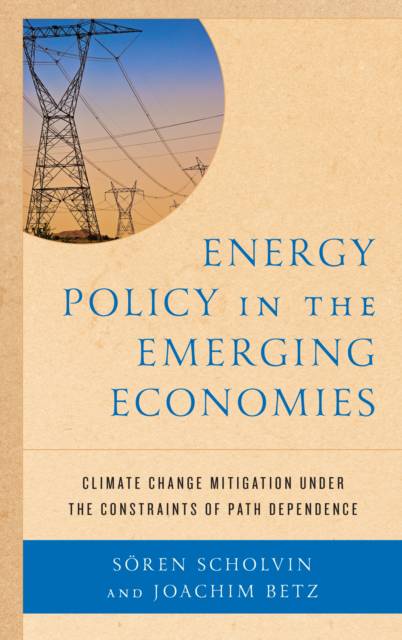
Energy Policy in the Emerging Economies
Climate Change Mitigation Under the Constraints of Path Dependence
Joachim Betz, Sören Scholvin
Hardcover | Engels
€ 203,95
+ 407 punten
Omschrijving
Energy has always been essential to economics and politics. While global energy consumption increases, fossil fuels are depleting. The countries that will be hit hardest by declining energy resources are the emerging economies of the Global South, where the relevance of the industrial sector is only slightly declining (or, indeed, still on the rise) and where governments have subsidised energy consumption for decades. Climate change - a direct outcome of the increasing consumption of fossil fuels - hits these emerging economies hard. Against this backdrop, Energy Policy inthe Emerging Economies: Climate Change Mitigation under the Constraints of Path Dependence analyses energy policy in Brazil, China, India, Indonesia, Mexico, South Africaand South Korea with particular regard to these countries' contributions to climatechange mitigation. Advancing a new approach that expands on energy transition studies and the concept of path dependence, Sören Scholvin and Joachim Betzshed light on material conditions, energy demand and expansion plans, politico-economicconstellations, energy-related know-how and climate policy.
Specificaties
Betrokkenen
- Auteur(s):
- Uitgeverij:
Inhoud
- Aantal bladzijden:
- 240
- Taal:
- Engels
Eigenschappen
- Productcode (EAN):
- 9781498534369
- Verschijningsdatum:
- 10/04/2019
- Uitvoering:
- Hardcover
- Formaat:
- Genaaid
- Afmetingen:
- 152 mm x 229 mm
- Gewicht:
- 489 g


Alleen bij Standaard Boekhandel
+ 407 punten op je klantenkaart van Standaard Boekhandel
Cadeau

AANGERADEN


Beoordelingen
We publiceren alleen reviews die voldoen aan de voorwaarden voor reviews. Bekijk onze voorwaarden voor reviews.