


- Afhalen na 1 uur in een winkel met voorraad
- Gratis thuislevering in België vanaf € 30
- Ruim aanbod met 7 miljoen producten
- Afhalen na 1 uur in een winkel met voorraad
- Gratis thuislevering in België vanaf € 30
- Ruim aanbod met 7 miljoen producten





€ 153,95
+ 307 punten
Uitvoering
Omschrijving
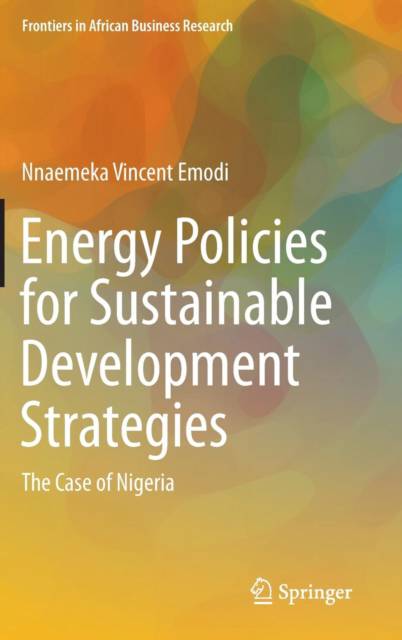
In this book, a number of long-term energy scenarios are developed for Nigeria considering the impact of vital factors that may influence energy policies in the country's future energy system. The energy scenarios were developed through the Long-Range Energy Alternatives Planning System (LEAP) model. The model identified the future energy demand and supply pattern using a least-cost combination of technology options while limiting the emission of greenhouse gases. The book presents four scenarios, and key parameters considered include GDP, households, population, urbanization and the growth rates of energy-intensive sectors. Further, it highlights the findings of the cost-benefit analysis, which reveal the costs of implementing selected policies and strategies in Nigeria, including those focusing on energy efficiency and fuel/technology switching. The book also discusses the application of the LEAP-OSeMOSYS Model in orderto identify lowest-cost power plants for electricity generation. Some sustainable strategies that can ensure a low carbon development in Nigeria are also explored on the basis of successful country cases in relation to the Nigerian LEAP model. As such, the book will help policy makers devise energy and sustainable strategies to achieve low carbon development in Nigeria.
Specificaties
Betrokkenen
- Auteur(s):
- Uitgeverij:
Inhoud
- Aantal bladzijden:
- 265
- Taal:
- Engels
- Reeks:
Eigenschappen
- Productcode (EAN):
- 9789811009730
- Verschijningsdatum:
- 26/05/2016
- Uitvoering:
- Hardcover
- Formaat:
- Genaaid
- Afmetingen:
- 156 mm x 234 mm
- Gewicht:
- 576 g


Alleen bij Standaard Boekhandel
+ 307 punten op je klantenkaart van Standaard Boekhandel
Wedstrijd


Beoordelingen
We publiceren alleen reviews die voldoen aan de voorwaarden voor reviews. Bekijk onze voorwaarden voor reviews.