



- Afhalen na 1 uur in een winkel met voorraad
- In januari gratis thuislevering in België
- Ruim aanbod met 7 miljoen producten
- Afhalen na 1 uur in een winkel met voorraad
- In januari gratis thuislevering in België
- Ruim aanbod met 7 miljoen producten





€ 254,45
+ 508 punten
Omschrijving
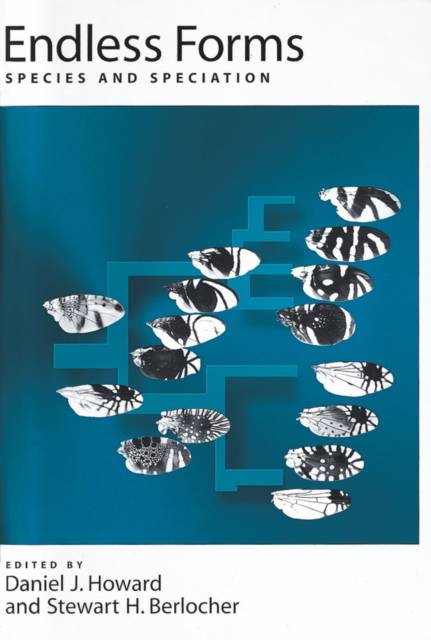
Speciation is one of the great themes of evolutionary biology. It is the process through which new species are born and diversity generated. Yet for many years our understanding of the process consisted of little more than a perception that if populations are isolated geographically, they will diverge genetically and may come to form new species. This situation began to change in the 1960s as an increasing number of biologists challenged the exclusivity of allopatric speciation and began to probe more deeply into the actual process by which divergence occurs and reproductive isolation is acquired. This focus on process led to many new insights, but numerous questions remain and speciation is now one of the most dynamic areas of research in modern evolutionary biology. This volume presents the newest research findings on speciation bringing readers up to day on species concepts, modes of speciation, and the nature of reproductive barriers. It also discusses the forces that drive divergence of populations, the genetic control of reproductive isolation, and the role played by hybrid zones and hybridization in speciation.
Specificaties
Betrokkenen
- Uitgeverij:
Inhoud
- Aantal bladzijden:
- 496
- Taal:
- Engels
- Reeks:
Eigenschappen
- Productcode (EAN):
- 9780195109016
- Verschijningsdatum:
- 3/12/1998
- Uitvoering:
- Paperback
- Formaat:
- Trade paperback (VS)
- Afmetingen:
- 179 mm x 252 mm
- Gewicht:
- 816 g

Alleen bij Standaard Boekhandel
+ 508 punten op je klantenkaart van Standaard Boekhandel
Cadeau

AANGERADEN


Beoordelingen
We publiceren alleen reviews die voldoen aan de voorwaarden voor reviews. Bekijk onze voorwaarden voor reviews.