


- Afhalen na 1 uur in een winkel met voorraad
- Gratis thuislevering in België vanaf € 30
- Ruim aanbod met 7 miljoen producten
- Afhalen na 1 uur in een winkel met voorraad
- Gratis thuislevering in België vanaf € 30
- Ruim aanbod met 7 miljoen producten





€ 19,99
+ 19 punten
Omschrijving
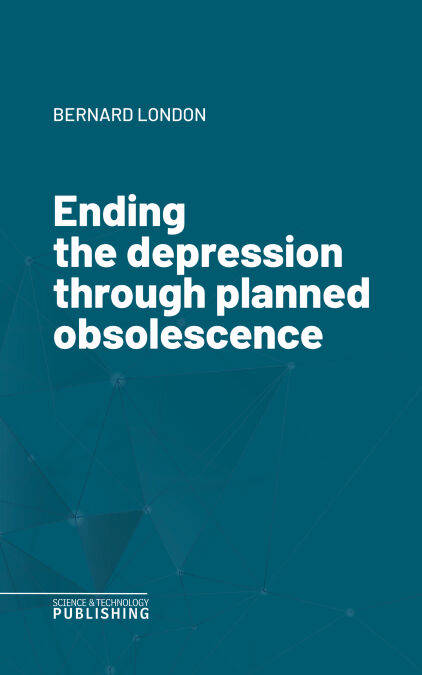
Ending the Depression Through Planned Obsolescence by Bernard London is a provocative and influential work first published in 1932, at the height of the Great Depression. In this groundbreaking treatise, London proposes a radical solution to the economic crisis gripping the world: the deliberate and systematic introduction of planned obsolescence into the production and consumption of goods. He argues that the root cause of the Depression is the stagnation of industry and the resulting unemployment, brought about by the overproduction of durable goods that last too long and thus stifle demand. London’s central thesis is that by legally mandating expiration dates for products—ranging from automobiles and clothing to buildings and machinery—governments could stimulate continuous demand, ensuring that factories remain active, workers stay employed, and the wheels of commerce keep turning. He envisions a system where every manufactured item would have a predetermined lifespan, after which it would be retired and replaced, creating a perpetual cycle of production and consumption. The book delves into the social, economic, and psychological implications of such a system, addressing potential criticisms and offering detailed plans for implementation. London discusses the role of government in regulating obsolescence, the impact on various industries, and the potential benefits for society as a whole, including the eradication of poverty and the restoration of prosperity. He also explores the moral and ethical dimensions of planned obsolescence, defending it as a necessary and humane response to the crisis of unemployment and economic stagnation. Ending the Depression Through Planned Obsolescence is both a product of its time and a prescient analysis of issues that continue to resonate in modern discussions about consumerism, sustainability, and economic policy. London’s bold vision challenges readers to reconsider the relationship between production, consumption, and economic health, making this book a fascinating and essential read for anyone interested in the history of economic thought and the ongoing debate over the role of planned obsolescence in society.
Specificaties
Betrokkenen
- Auteur(s):
- Uitgeverij:
Inhoud
- Taal:
- Engels
Eigenschappen
- Productcode (EAN):
- 9782528122518
- Verschijningsdatum:
- 31/08/2025
- Uitvoering:
- E-book
- Formaat:
- ePub


Alleen bij Standaard Boekhandel
+ 19 punten op je klantenkaart van Standaard Boekhandel
Cadeau

AANGERADEN


Beoordelingen
We publiceren alleen reviews die voldoen aan de voorwaarden voor reviews. Bekijk onze voorwaarden voor reviews.