


- Afhalen na 1 uur in een winkel met voorraad
- Gratis thuislevering in België vanaf € 30
- Ruim aanbod met 7 miljoen producten
- Afhalen na 1 uur in een winkel met voorraad
- Gratis thuislevering in België vanaf € 30
- Ruim aanbod met 7 miljoen producten





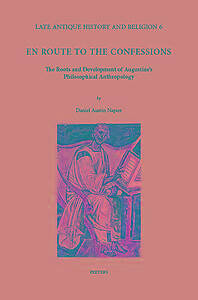
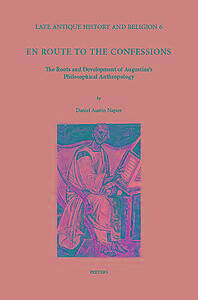
En Route to the Confessions
The Roots and Development of Augustine's Philosophical Anthropology
Da Napier
€ 87,00
+ 174 punten
Eenvoudig bestellen
Veilig betalen


Gratis thuislevering vanaf € 30 (via bpost)
Gratis levering in je Standaard Boekhandel
Omschrijving
By any standard, Augustine of Hippo casts an imposing shadow. With a retrospective distance of 1600 years, his influence on Western thought, political structures, religious institutions, and selfhood seems obviously the work of a giant. However, this god-like figure did not burst forth full-grown. His prodigious creativity was both constrained and aided by a rich complex of theological and philosophical traditions. En route to the Confessions charts the development of Augustine's various understandings of the human person by tracing his phased interactions with particular intellectual traditions and issues from his conversion until his composition of the Confessions. The correlated alterations to Augustine's use of spiritual exercises for human development at each stage are also explored. Augustine's anthropological thinking emerges therein as a series of strikingly fruitful yet thoroughly human syntheses of ancient philosophic and Christian thought. Augustine's philosophical resources and strategical alliances turn out to be much broader than most scholarly accounts have acknowledged. In particular, Augustine made much more extensive use of Roman Stoic conceptualities and argumentative strategies in constructing his philosophical anthropology than heretofore considered.
Specificaties
Betrokkenen
- Auteur(s):
- Uitgeverij:
Inhoud
- Aantal bladzijden:
- 384
- Taal:
- Engels
- Reeks:
- Reeksnummer:
- nr. 6
Eigenschappen
- Productcode (EAN):
- 9789042929166
- Verschijningsdatum:
- 1/07/2013
- Uitvoering:
- Hardcover
- Formaat:
- Genaaid
- Afmetingen:
- 170 mm x 246 mm
- Gewicht:
- 929 g


Alleen bij Standaard Boekhandel
+ 174 punten op je klantenkaart van Standaard Boekhandel
CADEAU

AANGERADEN


Beoordelingen
We publiceren alleen reviews die voldoen aan de voorwaarden voor reviews. Bekijk onze voorwaarden voor reviews.