

- Afhalen na 1 uur in een winkel met voorraad
- Gratis thuislevering in België vanaf € 30
- Ruim aanbod met 7 miljoen producten
- Afhalen na 1 uur in een winkel met voorraad
- Gratis thuislevering in België vanaf € 30
- Ruim aanbod met 7 miljoen producten





Omschrijving
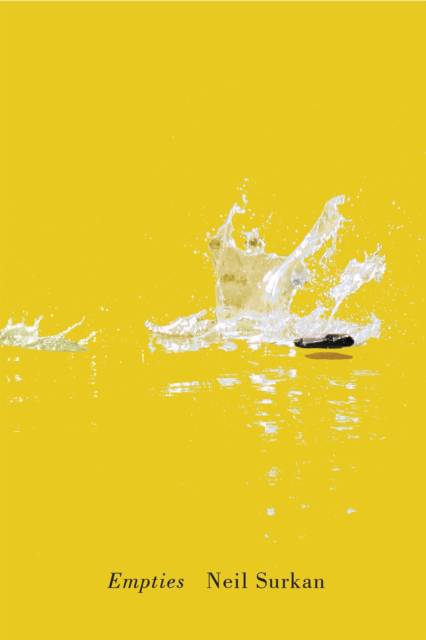
Yes it is both river and sea / yes they mingle together here / yes one empties for the other / yes it tastes like tears In a powerful interplay of striking descriptions with tender intimations, Empties, Neil Surkan's third poetry collection, reckons with fatherhood in a depleted and collapsing environment: Is it possible to nurture new shoots while the fires close in? Feelings of emptiness, acts of emptying, and physical empties coalesce in these vivid and timely poems. Through a queer lens, Surkan's speaker scrutinizes masculinity and fatherhood as he confronts the necessary emptiness that comes with becoming someone's ancestor. Arrays of drained and discarded entities - empty bottles, broken pots and cups - summon a world, husked and untenably extracted, that teeters toward collapse, but even those empty spaces are receptacles for fleeting moments of vulnerability and tenderness. At its core, Empties explores the conditions of life on the verge of hopelessness. It finds, among shadows of doom and despair, unlikely but nonetheless inevitable reasons to hope. These are poems that teach endurance "in the face of all that won't / be saved" while still finding much in the world "to cherish / as it brinks." In direness, there is also awe: one mustn't forget, Surkan reminds us, that only empty bottles can sing.
Specificaties
Betrokkenen
- Auteur(s):
- Uitgeverij:
Inhoud
- Aantal bladzijden:
- 104
- Taal:
- Engels
- Reeks:
Eigenschappen
- Productcode (EAN):
- 9780228027317
- Verschijningsdatum:
- 17/03/2026
- Uitvoering:
- Paperback
- Formaat:
- Trade paperback (VS)
- Afmetingen:
- 127 mm x 190 mm
- Gewicht:
- 453 g


Alleen bij Standaard Boekhandel
+ 51 punten op je klantenkaart van Standaard Boekhandel
Wedstrijd


Beoordelingen
We publiceren alleen reviews die voldoen aan de voorwaarden voor reviews. Bekijk onze voorwaarden voor reviews.