


- Afhalen na 1 uur in een winkel met voorraad
- Gratis thuislevering in België vanaf € 30
- Ruim aanbod met 7 miljoen producten
- Afhalen na 1 uur in een winkel met voorraad
- Gratis thuislevering in België vanaf € 30
- Ruim aanbod met 7 miljoen producten





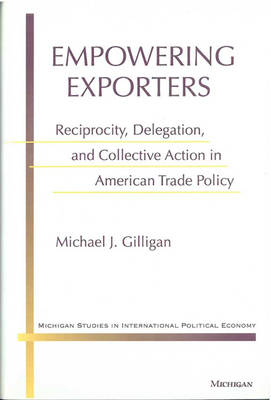
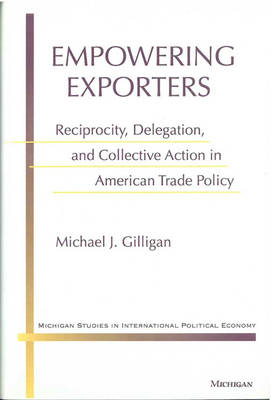
Empowering Exporters
Reciprocity, Delegation, and Collective Action in American Trade Policy
Michael J Gilligan
€ 144,45
+ 288 punten
Eenvoudig bestellen
Veilig betalen


Gratis thuislevering vanaf € 30 (via bpost)
Gratis levering in je Standaard Boekhandel
Omschrijving
Until the New Deal, most groups seeking protection from imports were successful in obtaining relief from Congress. In general the cost of paying the tariffs for consumers was less than the cost of mounting collective action to stop the tariffs. In 1934, with the passage of the Reciprocal Trade Agreements Act, all of this changed. The six decades that followed have produced a remarkable liberalization of trade policy in the United States. This occurred despite the fact that domestic politics, according to some of the best developed theories, should have prevented this liberalization.
Michael Gilligan argues that liberalization has succeeded because it has been reciprocal with liberalization in other countries. Our trade barriers have been reduced as an explicit quid pro quo for reduction of trade barriers in other countries. Reciprocity, Gilligan argues, gives exporters the incentive to support free trade policies because it gives them a clear gain from free trade and thus enables the exporters to overcome collective action problems. The lobbying by exporters, balancing the interests of groups seeking protection, changes the preferences of political leaders in favor of more liberalization.
Gilligan tests his theory in a detailed exploration of the history of American trade policy and in a quantitative analysis showing increases in the demand for liberalization as the result of reciprocity in trade legislation from 1890 to the present. This book should appeal to political scientists, economists, and those who want to understand the political underpinnings of American trade policy.
Michael J. Gilligan is Assistant Professor of Politics, New York University.
Michael Gilligan argues that liberalization has succeeded because it has been reciprocal with liberalization in other countries. Our trade barriers have been reduced as an explicit quid pro quo for reduction of trade barriers in other countries. Reciprocity, Gilligan argues, gives exporters the incentive to support free trade policies because it gives them a clear gain from free trade and thus enables the exporters to overcome collective action problems. The lobbying by exporters, balancing the interests of groups seeking protection, changes the preferences of political leaders in favor of more liberalization.
Gilligan tests his theory in a detailed exploration of the history of American trade policy and in a quantitative analysis showing increases in the demand for liberalization as the result of reciprocity in trade legislation from 1890 to the present. This book should appeal to political scientists, economists, and those who want to understand the political underpinnings of American trade policy.
Michael J. Gilligan is Assistant Professor of Politics, New York University.
Specificaties
Betrokkenen
- Auteur(s):
- Uitgeverij:
Inhoud
- Aantal bladzijden:
- 200
- Taal:
- Engels
- Reeks:
Eigenschappen
- Productcode (EAN):
- 9780472108237
- Verschijningsdatum:
- 10/10/1997
- Uitvoering:
- Hardcover
- Formaat:
- Genaaid
- Afmetingen:
- 164 mm x 238 mm
- Gewicht:
- 521 g


Alleen bij Standaard Boekhandel
+ 288 punten op je klantenkaart van Standaard Boekhandel
CADEAU

AANGERADEN


Beoordelingen
We publiceren alleen reviews die voldoen aan de voorwaarden voor reviews. Bekijk onze voorwaarden voor reviews.