



Je cadeautjes zeker op tijd in huis hebben voor de feestdagen? Kom langs in onze winkels en vind het perfecte geschenk!
- Afhalen na 1 uur in een winkel met voorraad
- Gratis thuislevering in België vanaf € 30
- Ruim aanbod met 7 miljoen producten
Je cadeautjes zeker op tijd in huis hebben voor de feestdagen? Kom langs in onze winkels en vind het perfecte geschenk!
- Afhalen na 1 uur in een winkel met voorraad
- Gratis thuislevering in België vanaf € 30
- Ruim aanbod met 7 miljoen producten





€ 167,95
+ 335 punten
Uitvoering
Omschrijving
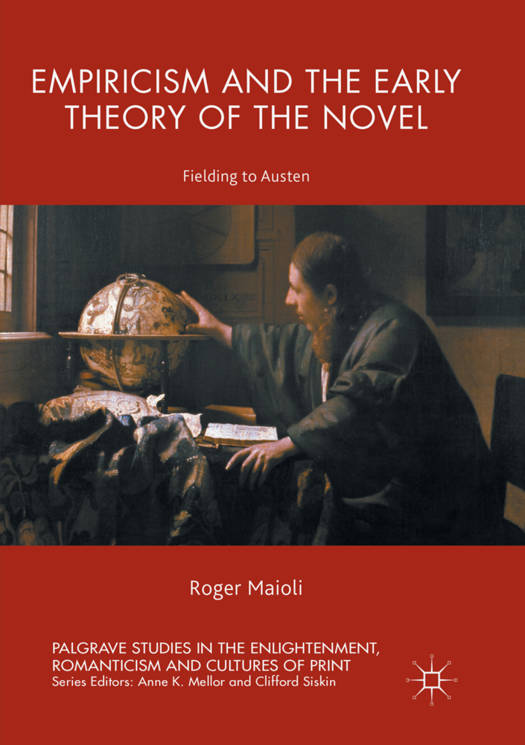
This book is about the empiricist challenge to literature, and its influence on eighteenth-century theories of fiction. British empiricism from Bacon to Hume challenged the notion that imaginative literature can be a reliable source of knowledge. This book argues that theorists of the novel, from Henry Fielding to Jane Austen, recognized the force of the empiricist challenge but refused to capitulate. It traces how, in their reflections on the novel, these writers attempted to formulate a theoretical link between the world of experience and the products of the imagination, and thus update the old defenses of poetry for empirical times. Taken together, the empiricist challenge and the responses it elicited signaled a transition in the longstanding debate about literature and knowledge, as an inaugural round in the persisting conflict between the empirical sciences and the literary humanities.
Specificaties
Betrokkenen
- Auteur(s):
- Uitgeverij:
Inhoud
- Aantal bladzijden:
- 202
- Taal:
- Engels
- Reeks:
Eigenschappen
- Productcode (EAN):
- 9783319819815
- Verschijningsdatum:
- 17/07/2018
- Uitvoering:
- Paperback
- Formaat:
- Trade paperback (VS)
- Afmetingen:
- 156 mm x 234 mm
- Gewicht:
- 322 g


Alleen bij Standaard Boekhandel
+ 335 punten op je klantenkaart van Standaard Boekhandel
CADEAU


Beoordelingen
We publiceren alleen reviews die voldoen aan de voorwaarden voor reviews. Bekijk onze voorwaarden voor reviews.