


- Afhalen na 1 uur in een winkel met voorraad
- Gratis thuislevering in België vanaf € 30
- Ruim aanbod met 7 miljoen producten
- Afhalen na 1 uur in een winkel met voorraad
- Gratis thuislevering in België vanaf € 30
- Ruim aanbod met 7 miljoen producten





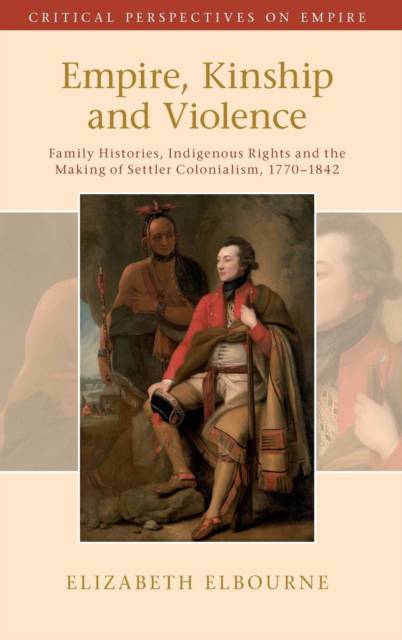
Empire, Kinship and Violence
Family Histories, Indigenous Rights and the Making of Settler Colonialism, 1770-1842
Elizabeth Elbourne
€ 191,95
+ 383 punten
Eenvoudig bestellen
Veilig betalen


Gratis thuislevering vanaf € 30 (via bpost)
Gratis levering in je Standaard Boekhandel
Omschrijving
Empire, Kinship and Violence traces the history of three linked imperial families in Britain and across contested colonial borderlands from 1770 to 1842. Elizabeth Elbourne tracks the Haudenosaunee Brants of northeastern North America from the American Revolution to exile in Canada; the Bannisters, a British family of colonial administrators, whistleblowers and entrepreneurs who operated across Australia, Canada and southern Africa; and the Buxtons, a family of British abolitionists who publicized information about what might now be termed genocide towards Indigenous peoples while also pioneering humanitarian colonialism. By recounting the conflicts that these interlinked families were involved in she tells a larger story about the development of British and American settler colonialism and the betrayal of Indigenous peoples. Through an analysis of the changing politics of kinship and violence, Elizabeth Elbourne sheds new light on transnational debates about issues such as Indigenous sovereignty claims, British subjecthood, violence, land rights and cultural assimilation.
Specificaties
Betrokkenen
- Auteur(s):
- Uitgeverij:
Inhoud
- Aantal bladzijden:
- 446
- Taal:
- Engels
- Reeks:
Eigenschappen
- Productcode (EAN):
- 9781108479226
- Verschijningsdatum:
- 22/12/2022
- Uitvoering:
- Hardcover
- Formaat:
- Genaaid
- Afmetingen:
- 152 mm x 229 mm
- Gewicht:
- 762 g



Alleen bij Standaard Boekhandel
+ 383 punten op je klantenkaart van Standaard Boekhandel
CADEAU

AANGERADEN


Beoordelingen
We publiceren alleen reviews die voldoen aan de voorwaarden voor reviews. Bekijk onze voorwaarden voor reviews.