


- Afhalen na 1 uur in een winkel met voorraad
- Gratis thuislevering in België vanaf € 30
- Ruim aanbod met 7 miljoen producten
- Afhalen na 1 uur in een winkel met voorraad
- Gratis thuislevering in België vanaf € 30
- Ruim aanbod met 7 miljoen producten





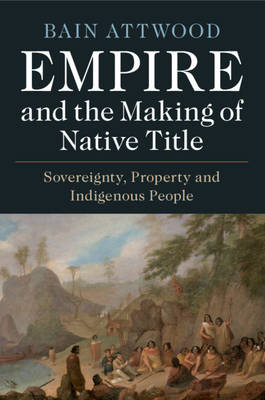
Empire and the Making of Native Title
Sovereignty, Property and Indigenous People
Bain Attwood
Paperback | Engels
€ 60,95
+ 121 punten
Omschrijving
This book provides a new approach to the historical treatment of indigenous peoples' sovereignty and property rights in Australia and New Zealand. By shifting attention from the original European claims of possession to a comparison of the ways in which British players treated these matters later, Bain Attwood not only reveals some startling similarities between the Australian and New Zealand cases but revises the long-held explanations of the differences. He argues that the treatment of the sovereignty and property rights of First Nations was seldom determined by the workings of moral principle, legal doctrine, political thought or government policy. Instead, it was the highly particular historical circumstances in which the first encounters between natives and Europeans occurred and colonisation began that largely dictated whether treaties of cession were negotiated, just as a bitter political struggle determined the significance of the Treaty of Waitangi and ensured that native title was made in New Zealand.
Specificaties
Betrokkenen
- Auteur(s):
- Uitgeverij:
Inhoud
- Aantal bladzijden:
- 458
- Taal:
- Engels
Eigenschappen
- Productcode (EAN):
- 9781108745703
- Verschijningsdatum:
- 11/08/2022
- Uitvoering:
- Paperback
- Formaat:
- Trade paperback (VS)
- Afmetingen:
- 152 mm x 229 mm
- Gewicht:
- 607 g


Alleen bij Standaard Boekhandel
+ 121 punten op je klantenkaart van Standaard Boekhandel
Cadeau

AANGERADEN


Beoordelingen
We publiceren alleen reviews die voldoen aan de voorwaarden voor reviews. Bekijk onze voorwaarden voor reviews.