



Je cadeautjes zeker op tijd in huis hebben voor de feestdagen? Kom langs in onze winkels en vind het perfecte geschenk!
- Afhalen na 1 uur in een winkel met voorraad
- Gratis thuislevering in België vanaf € 30
- Ruim aanbod met 7 miljoen producten
Je cadeautjes zeker op tijd in huis hebben voor de feestdagen? Kom langs in onze winkels en vind het perfecte geschenk!
- Afhalen na 1 uur in een winkel met voorraad
- Gratis thuislevering in België vanaf € 30
- Ruim aanbod met 7 miljoen producten





€ 183,45
+ 366 punten
Omschrijving
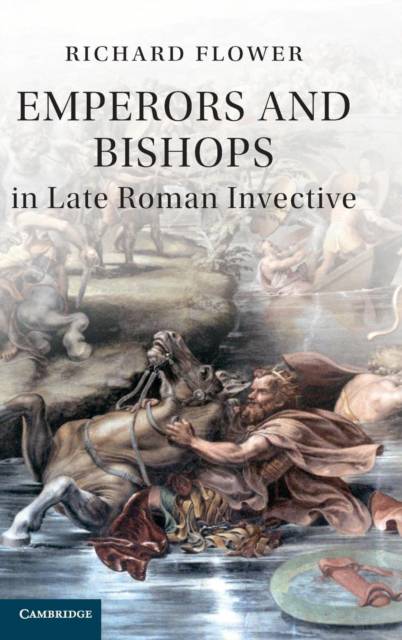
This innovative study illuminates the role of polemical literature in the political life of the Roman empire by examining the earliest surviving invectives directed against a living emperor. Written by three bishops (Athanasius of Alexandria, Hilary of Poitiers, Lucifer of Cagliari), these texts attacked Constantius II (337-61) for his vicious and tyrannical behaviour, as well as his heretical religious beliefs. This book explores the strategies employed by these authors to present themselves as fearless champions of liberty and guardians of faith, as they sought to bolster their authority at a time when they were out of step with the prevailing imperial view of Christian orthodoxy. Furthermore, by analysing this unique collection of writings alongside late antique panegyrics and ceremonial, it also rehabilitates anti-imperial polemic as a serious political activity and explores the ways in which it functioned within the complex web of presentations and perceptions that underpinned late Roman power relationships.
Specificaties
Betrokkenen
- Auteur(s):
- Uitgeverij:
Inhoud
- Aantal bladzijden:
- 312
- Taal:
- Engels
Eigenschappen
- Productcode (EAN):
- 9781107031722
- Verschijningsdatum:
- 2/05/2013
- Uitvoering:
- Hardcover
- Formaat:
- Genaaid
- Afmetingen:
- 150 mm x 231 mm
- Gewicht:
- 612 g



Alleen bij Standaard Boekhandel
+ 366 punten op je klantenkaart van Standaard Boekhandel
CADEAU


Beoordelingen
We publiceren alleen reviews die voldoen aan de voorwaarden voor reviews. Bekijk onze voorwaarden voor reviews.