


- Afhalen na 1 uur in een winkel met voorraad
- Gratis thuislevering in België vanaf € 30
- Ruim aanbod met 7 miljoen producten
- Afhalen na 1 uur in een winkel met voorraad
- Gratis thuislevering in België vanaf € 30
- Ruim aanbod met 7 miljoen producten





€ 30,95
+ 61 punten
Omschrijving
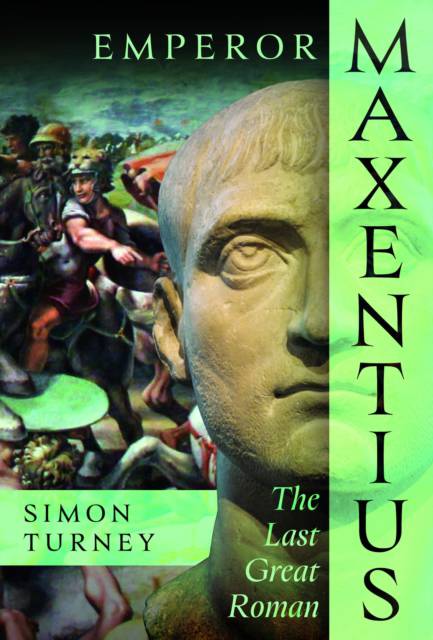
Maxentius, Rome's last pagan emperor, is examined through his reign, battles, building projects, and legacy.
This is a biography of the last man who can truly be considered a 'Roman' emperor. Maxentius was the last pagan emperor to rule in Rome itself, the last emperor to reside on the Palatine, the last emperor with a Praetorian Guard. He was a prolific builder, popular with the people and armies of Rome, and surprisingly successful against impressive odds, fighting off two opposing emperors, until felled by disaster at the Battle of the Milvian Bridge.
Simon Turney examines his background (he was the son of Emperor Maximian) and describes the context of the imperial situation of the Tetrarchy leading to his rise. He sifts all the evidence, architectural, numismatic and inscriptive, attempting to identify where Christian (and Constantinian) bias has warped the truth. He narrates Maxentius' six year reign during a tumultuous time of civil wars, culminating in the dramatic battle of the Milvian Bridge, where he fell. He peels back the later vilification by Christian sources and reveals a capable emperor, a great builder (with a legacy of monuments still visible) and, ironically, a tolerant ruler who ended the Great Persecution of Christians in his territories years before Constantine followed suit.
This is a biography of the last man who can truly be considered a 'Roman' emperor. Maxentius was the last pagan emperor to rule in Rome itself, the last emperor to reside on the Palatine, the last emperor with a Praetorian Guard. He was a prolific builder, popular with the people and armies of Rome, and surprisingly successful against impressive odds, fighting off two opposing emperors, until felled by disaster at the Battle of the Milvian Bridge.
Simon Turney examines his background (he was the son of Emperor Maximian) and describes the context of the imperial situation of the Tetrarchy leading to his rise. He sifts all the evidence, architectural, numismatic and inscriptive, attempting to identify where Christian (and Constantinian) bias has warped the truth. He narrates Maxentius' six year reign during a tumultuous time of civil wars, culminating in the dramatic battle of the Milvian Bridge, where he fell. He peels back the later vilification by Christian sources and reveals a capable emperor, a great builder (with a legacy of monuments still visible) and, ironically, a tolerant ruler who ended the Great Persecution of Christians in his territories years before Constantine followed suit.
Specificaties
Betrokkenen
- Auteur(s):
- Uitgeverij:
Inhoud
- Aantal bladzijden:
- 224
- Taal:
- Engels
Eigenschappen
- Productcode (EAN):
- 9781036130534
- Verschijningsdatum:
- 16/05/2026
- Uitvoering:
- Hardcover
- Formaat:
- Genaaid
- Afmetingen:
- 159 mm x 235 mm
- Gewicht:
- 444 g


Alleen bij Standaard Boekhandel
+ 61 punten op je klantenkaart van Standaard Boekhandel
Cadeau

AANGERADEN


Beoordelingen
We publiceren alleen reviews die voldoen aan de voorwaarden voor reviews. Bekijk onze voorwaarden voor reviews.