


- Afhalen na 1 uur in een winkel met voorraad
- Gratis thuislevering in België vanaf € 30
- Ruim aanbod met 7 miljoen producten
- Afhalen na 1 uur in een winkel met voorraad
- Gratis thuislevering in België vanaf € 30
- Ruim aanbod met 7 miljoen producten





€ 124,45
+ 248 punten
Uitvoering
Omschrijving
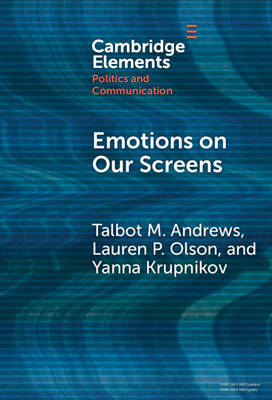
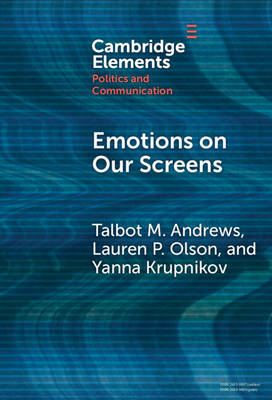
While scholars have long considered how political messages make people feel, changes in the media environment have given people unprecedented access to the expressed emotions of others. Through both contemporary news stories and social media, people now learn how others - often strangers - feel about political events. Do people believe in the sincerity of these expressed emotions? To answer this question, we turn to expressions about one of the most pressing issues of our time: climate change. We begin with a theoretic framework of the way people perceive mediated emotional expression. Then, across six pre-registered experiments, we find people are generally skeptical of others' emotional expression - perceiving emotional posts and quotes less authentic and appropriate than more neutral content. While evaluations vary by platform, our results suggest that emotions online aren't always taken at face value - complicating the role of these expressed emotions in political communication.
Specificaties
Betrokkenen
- Auteur(s):
- Uitgeverij:
Inhoud
- Aantal bladzijden:
- 88
- Taal:
- Engels
- Reeks:
Eigenschappen
- Productcode (EAN):
- 9781009613637
- Verschijningsdatum:
- 23/04/2026
- Uitvoering:
- Hardcover
- Formaat:
- Genaaid
- Afmetingen:
- 152 mm x 229 mm
- Gewicht:
- 290 g


Alleen bij Standaard Boekhandel
+ 248 punten op je klantenkaart van Standaard Boekhandel
Cadeau

AANGERADEN


Beoordelingen
We publiceren alleen reviews die voldoen aan de voorwaarden voor reviews. Bekijk onze voorwaarden voor reviews.