


- Afhalen na 1 uur in een winkel met voorraad
- Gratis thuislevering in België vanaf € 30
- Ruim aanbod met 7 miljoen producten
- Afhalen na 1 uur in een winkel met voorraad
- Gratis thuislevering in België vanaf € 30
- Ruim aanbod met 7 miljoen producten





€ 290,45
+ 580 punten
Uitvoering
Omschrijving
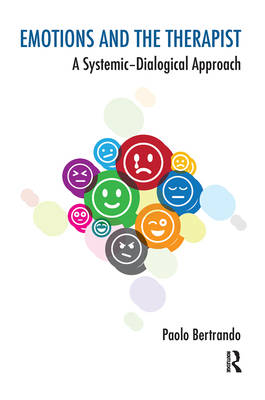
In recent years, systemic theory and practice adopted a dialogical orientation, centred on the persons of the therapist and client. This has led to a growing attention toward emotions, which, in this book, is developed in terms of emotional systems. An emotional system in therapy may be viewed as the sum of the emotions existing and interacting in people's lives. Relevant changes in life happen when emotional stances and sequences change within the system, leading, for example, to a greater sense of agency or hope, or to a different perception of the situation. This book looks at emotions within human systems in terms of dominant and silent emotions, which shape and are shaped by human relationships, and may be played in several ways according to reciprocal emotional positioning. The therapist uses his or her own feeling, and understanding of the emotions within the therapeutic dialogue, in order to create hypotheses and new dialogues which allow change.
Specificaties
Betrokkenen
- Auteur(s):
- Uitgeverij:
Inhoud
- Aantal bladzijden:
- 282
- Taal:
- Engels
- Reeks:
Eigenschappen
- Productcode (EAN):
- 9780367103170
- Verschijningsdatum:
- 14/06/2019
- Uitvoering:
- Hardcover
- Formaat:
- Genaaid
- Afmetingen:
- 152 mm x 229 mm
- Gewicht:
- 544 g


Alleen bij Standaard Boekhandel
+ 580 punten op je klantenkaart van Standaard Boekhandel
Cadeau

AANGERADEN


Beoordelingen
We publiceren alleen reviews die voldoen aan de voorwaarden voor reviews. Bekijk onze voorwaarden voor reviews.