


- Afhalen na 1 uur in een winkel met voorraad
- Gratis thuislevering in België vanaf € 30
- Ruim aanbod met 7 miljoen producten
- Afhalen na 1 uur in een winkel met voorraad
- Gratis thuislevering in België vanaf € 30
- Ruim aanbod met 7 miljoen producten





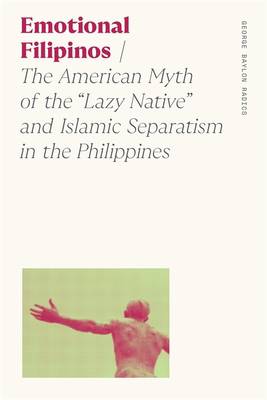
Emotional Filipinos
The American Myth of the Lazy Native and Islamic Separatism in the Philippines
George Baylon Radics
€ 203,45
+ 406 punten
Uitvoering
Omschrijving
In the first half of the twentieth century, the United States attempted to build a colony in the Philippines in its own image--one fraught with racist notions of what it means to be civilized, developed, and worthy of self-rule. These imported notions of race and modernity left a profound imprint on the nation. More recently, we have seen a menacing rise of Islamic "terrorism," political polarization, populism, xenophobia, and isolationism. Conventional wisdom has attributed this rise to a "failed state" or economic insecurity and cultural backlash. In this book, however, George Radics explains this forgotten part of U.S. history with emotions as a driving force behind social action. The Philippines is currently experiencing the longest-running Muslim-Christian conflict in the modern world and an increasingly anti-Western populist government. By unpacking the role of emotions from the American colonial period to the present, Emotional Filipinos blurs the line between American colonizer and Muslim-Filipino "terrorist," highlighting the lasting effects of America's footprint in Southeast Asia. Radics humanizes this fraught history and reveals unexplored connections between past and present.
Specificaties
Betrokkenen
- Auteur(s):
- Uitgeverij:
Inhoud
- Aantal bladzijden:
- 256
- Taal:
- Engels
- Reeks:
Eigenschappen
- Productcode (EAN):
- 9780820375441
- Verschijningsdatum:
- 15/04/2026
- Uitvoering:
- Hardcover
- Formaat:
- Genaaid
- Afmetingen:
- 152 mm x 229 mm
- Gewicht:
- 512 g


Alleen bij Standaard Boekhandel
+ 406 punten op je klantenkaart van Standaard Boekhandel
AANGERADEN


Beoordelingen
We publiceren alleen reviews die voldoen aan de voorwaarden voor reviews. Bekijk onze voorwaarden voor reviews.