


- Afhalen na 1 uur in een winkel met voorraad
- Gratis thuislevering in België vanaf € 30
- Ruim aanbod met 7 miljoen producten
- Afhalen na 1 uur in een winkel met voorraad
- Gratis thuislevering in België vanaf € 30
- Ruim aanbod met 7 miljoen producten




Omschrijving
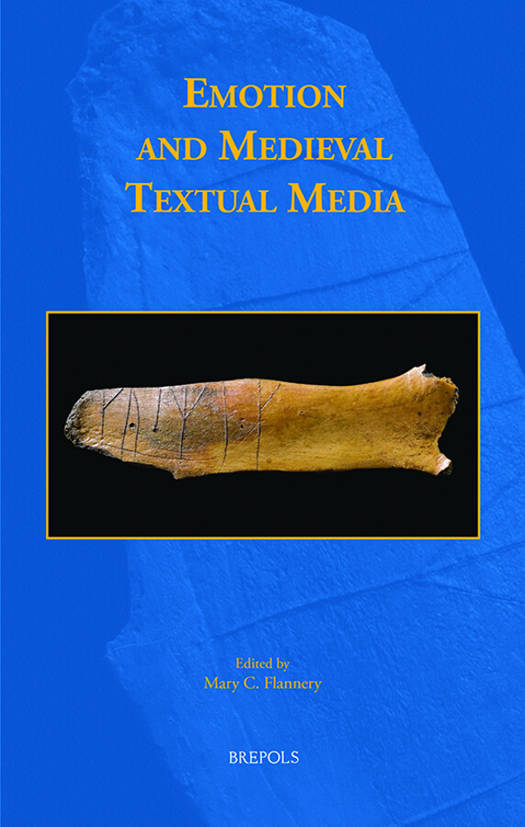
Text is one of the most valuable and plentiful sources of information available to scholars interested in medieval emotion. The medieval world may have vanished centuries ago, and its human subjects with it, but a wealth of textual traces remains: sermons, romances, poems, plays, treatises, songs, inscriptions, graffiti, and much more. But how is emotion communicated and shaped by these different textual forms? That is the question at the heart of this collection of essays, which aims to open up our sense of what texts can contribute to the history of emotions by considering the variety of ways that texts can function as vehicles--media--for emotion. The essays in this volume examine how literary and dramatic texts, chant, manuscript annotations, and material inscriptions mediate emotion--how they bring it about, communicate it, process it, and shape it via forms that act on various senses. Ranging between the eighth and fifteenth centuries and comprising contributions from scholars of musicology, Old English and Old Norse studies, material culture, Middle English literature, drama, and manuscript studies, the essays contained in this volume serve as a window onto the complex relationship between emotions and different textual forms.
Specificaties
Betrokkenen
- Auteur(s):
- Uitgeverij:
Inhoud
- Aantal bladzijden:
- 280
- Taal:
- Engels
- Reeks:
- Reeksnummer:
- nr. 13
Eigenschappen
- Productcode (EAN):
- 9782503577814
- Verschijningsdatum:
- 9/01/2019
- Uitvoering:
- Hardcover
- Formaat:
- Genaaid
- Afmetingen:
- 165 mm x 239 mm
- Gewicht:
- 635 g


Alleen bij Standaard Boekhandel
+ 190 punten op je klantenkaart van Standaard Boekhandel
AANGERADEN


Beoordelingen
We publiceren alleen reviews die voldoen aan de voorwaarden voor reviews. Bekijk onze voorwaarden voor reviews.