


- Afhalen na 1 uur in een winkel met voorraad
- Gratis thuislevering in België vanaf € 30
- Ruim aanbod met 7 miljoen producten
- Afhalen na 1 uur in een winkel met voorraad
- Gratis thuislevering in België vanaf € 30
- Ruim aanbod met 7 miljoen producten





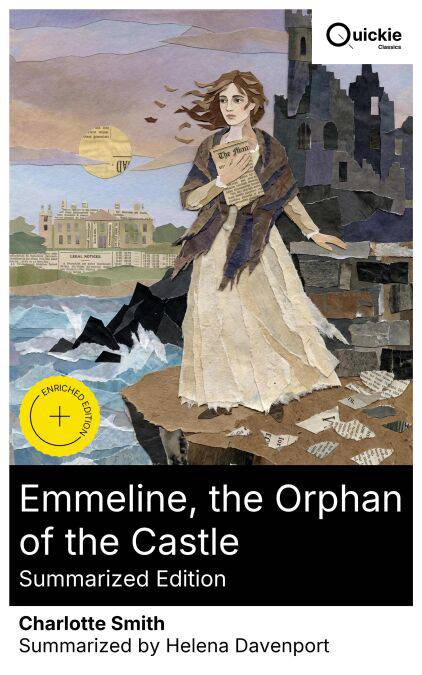
Emmeline, the Orphan of the Castle (Summarized Edition) E-BOOK
Enriched edition. An 18th-Century Tale of an Orphaned Heroine, Feminist Resolve, and Social Justice Amid Patriarchal England
Charlotte Smith
E-book | Engels
€ 1,99
+ 1 punten
Omschrijving
Emmeline, the Orphan of the Castle follows a foundling's precarious passage through guardianship, predatory courtship, and contested inheritances. Set among ruined strongholds, seacoasts, and brittle salons, it marries Gothic shading to the sentimental novel's social acuity. A flexible third-person voice, interleaved letters, and luminous descriptions temper incident with moral analysis. Smith studies sensibility versus prudence, women's limited agency under law, and the market logic of marriage, creating early Romantic fiction that anticipates later Gothic thrills yet stays tethered to domestic realism. Charlotte Smith, celebrated for Elegiac Sonnets, wrote amid debt, marital separation, and draining Chancery suits, publishing to sustain a large family. Those pressures inform her unsparing depictions of guardianship and property, while her coastal eye and Rousseauian interest in education shape the novel's landscapes and moral training. Her preface-craft and reformist leanings filter into Emmeline as quiet argument: feeling refined by judgement, virtue defended against coercive law. Recommended to readers of Burney, Radcliffe, and Austen, this novel rewards scholars and generalists alike. Its heroine's steadiness, legal insight, and plaintive lyricism offer both historical clarity and transporting pleasure, making Emmeline a touchstone of late-eighteenth-century narrative art.
Quickie Classics summarizes timeless works with precision, preserving the author's voice and keeping the prose clear, fast, and readable—distilled, never diluted. Enriched Edition extras: Introduction · Synopsis · Historical Context · Brief Analysis · 4 Reflection Q&As · Editorial Footnotes.
Quickie Classics summarizes timeless works with precision, preserving the author's voice and keeping the prose clear, fast, and readable—distilled, never diluted. Enriched Edition extras: Introduction · Synopsis · Historical Context · Brief Analysis · 4 Reflection Q&As · Editorial Footnotes.
Specificaties
Betrokkenen
- Auteur(s):
- Uitgeverij:
Inhoud
- Aantal bladzijden:
- 182
- Taal:
- Engels
Eigenschappen
- Productcode (EAN):
- 8596547881704
- Verschijningsdatum:
- 09/01/2026
- Uitvoering:
- E-book
- Beveiligd met:
- Digital watermarking
- Formaat:
- ePub


Alleen bij Standaard Boekhandel
+ 1 punten op je klantenkaart van Standaard Boekhandel
CADEAU

AANGERADEN


Beoordelingen
We publiceren alleen reviews die voldoen aan de voorwaarden voor reviews. Bekijk onze voorwaarden voor reviews.