


- Afhalen na 1 uur in een winkel met voorraad
- Gratis thuislevering in België vanaf € 30
- Ruim aanbod met 7 miljoen producten
- Afhalen na 1 uur in een winkel met voorraad
- Gratis thuislevering in België vanaf € 30
- Ruim aanbod met 7 miljoen producten




€ 120,45
+ 240 punten
Omschrijving
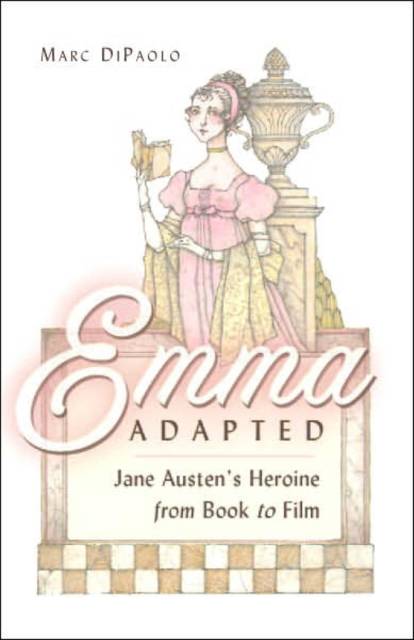
This work of literary and film criticism examines all eight filmed adaptations of Jane Austen's Emma produced between 1948 and 1996 as vastly different interpretations of the source novel. Instead of condemning the movies and television specials as being «not as good as the book, » Marc DiPaolo considers how each adaptation might be understood as a valid «reading» of Austen's text. For example, he demonstrates how the Gwyneth Paltrow film Emma is both a romance and a female coming-of-age story, the 1972 BBC miniseries dramatizes Emma's world as claustrophobic and Emma herself as suffering from depression, and the modern-day teen comedy Clueless comes closest of all to bringing a feminist reading of the novel to the screen. Each version illuminates a different, legitimate way of reading the novel that is rewarding for Austen fans, scholars, and students alike.
Specificaties
Betrokkenen
- Auteur(s):
- Uitgeverij:
Inhoud
- Aantal bladzijden:
- 190
- Taal:
- Engels
Eigenschappen
- Productcode (EAN):
- 9781433100000
- Verschijningsdatum:
- 13/07/2007
- Uitvoering:
- Hardcover
- Formaat:
- Genaaid
- Afmetingen:
- 160 mm x 230 mm
- Gewicht:
- 479 g


Alleen bij Standaard Boekhandel
+ 240 punten op je klantenkaart van Standaard Boekhandel
AANGERADEN


Beoordelingen
We publiceren alleen reviews die voldoen aan de voorwaarden voor reviews. Bekijk onze voorwaarden voor reviews.