


- Afhalen na 1 uur in een winkel met voorraad
- Gratis thuislevering in België vanaf € 30
- Ruim aanbod met 7 miljoen producten
- Afhalen na 1 uur in een winkel met voorraad
- Gratis thuislevering in België vanaf € 30
- Ruim aanbod met 7 miljoen producten





€ 64,45
+ 128 punten
Omschrijving
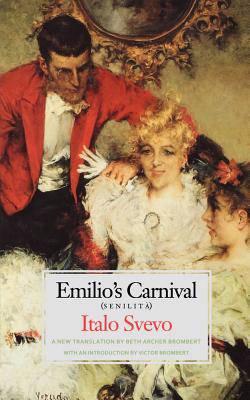
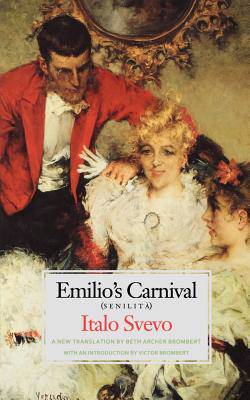
Italo Svevo's early novel Senilità (1898) remained unknown for many years until James Joyce encountered the novelist in Trieste and came to admire Senilità as a preeminent modern Italian novel. Joyce helped to launch Svevo's career, and years later Svevo achieved great fame with his masterpiece, Confessions of Zeno. In Senilità, Svevo tells the story of the amorous entanglement of Emilio, a failed writer already old at thirty-five, and Angiolina, a seductively beautiful but promiscuous young woman. A study in jealousy and self-torment, the novel traces the intoxicating effect of a narcissistic and amoral woman on an indecisive daydreamer who vacillates between guilt and moral smugness. The novel is suffused with a tragic sense of existence, and the unbreachable distance between one consciousness and another. Svevo's unmistakably modern voice subtly captures rapid shifts in mood and intention, exploiting irony, indirection, and multiple points of view to reveal Emilio's increasing anguish as he comes to recognize the dissonance between himself and his world.
Specificaties
Betrokkenen
- Auteur(s):
- Vertaler(s):
- Uitgeverij:
Inhoud
- Aantal bladzijden:
- 262
- Taal:
- Engels
- Reeks:
Eigenschappen
- Productcode (EAN):
- 9780300090499
- Verschijningsdatum:
- 1/10/2001
- Uitvoering:
- Paperback
- Formaat:
- Trade paperback (VS)
- Afmetingen:
- 127 mm x 203 mm
- Gewicht:
- 294 g


Alleen bij Standaard Boekhandel
+ 128 punten op je klantenkaart van Standaard Boekhandel
Cadeau

AANGERADEN


Beoordelingen
We publiceren alleen reviews die voldoen aan de voorwaarden voor reviews. Bekijk onze voorwaarden voor reviews.