


- Afhalen na 1 uur in een winkel met voorraad
- Gratis thuislevering in België vanaf € 30
- Ruim aanbod met 7 miljoen producten
- Afhalen na 1 uur in een winkel met voorraad
- Gratis thuislevering in België vanaf € 30
- Ruim aanbod met 7 miljoen producten





€ 251,45
+ 502 punten
Uitvoering
Omschrijving
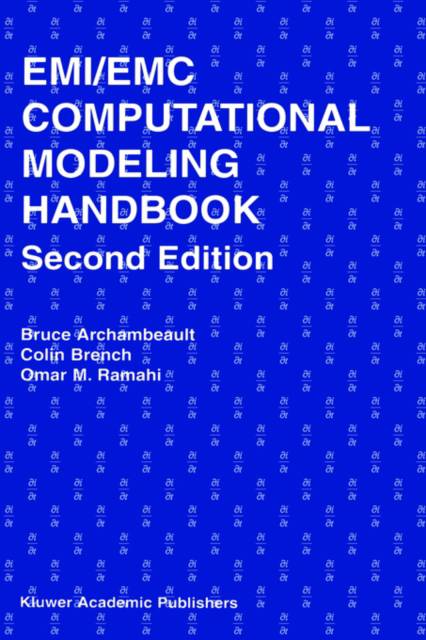
The application of computational electromagnetics to real-world EMI/EMC engineering is an emerging technology. With the advancement in electronics, EMI/EMC issues have greatly increased in complexity. As a result, it is no longer possible to rely exclusively on traditional techniques and expect cost-effective solutions. The first edition of this book introduced computational electromagnetics to EMI/EMC engineering. This second edition continues the introduction of computational electromagnetics to EMI/EMC engineering, but also adds new modeling techniques, namely the Partial Element Equivalent Circuit method and the Transmission Line Matrix method, and updates to the science of EMI/EMC modeling that have occurred since the first edition was published.
This book combines the essential elements of electromagnetic theory, computational techniques, and EMI/EMC engineering as they apply to computational modeling for EMI/EMC applications. It is intended to provide an understanding for those interested in incorporating modeling techniques in their work. A variety of modeling techniques are needed for anyone interested in using computational modeling in the real world. This book includes an introduction of all the popular modeling techniques, such as the Finite-Difference Time-Domain method, the Method of Moments, the Finite Element Method, the Partial Element Equivalent Circuit method and the Transmission Line Matrix method.
EMI/EMC Computational Modeling Handbook, Second Edition will serve many different levels of readers. It will serve as a basic introduction to modeling as applied to EMI/EMC problems for the engineer interested in getting started, and it will help the person already using modeling as a tool to become more effective in using different modeling techniques. It will also be useful for the engineer who is familiar with computational techniques and wishes to apply them to EMI/EMC applications. This book can also be used as a text to help students of electromagnetic theory and application better understand real-world challenges facing engineers.
This book combines the essential elements of electromagnetic theory, computational techniques, and EMI/EMC engineering as they apply to computational modeling for EMI/EMC applications. It is intended to provide an understanding for those interested in incorporating modeling techniques in their work. A variety of modeling techniques are needed for anyone interested in using computational modeling in the real world. This book includes an introduction of all the popular modeling techniques, such as the Finite-Difference Time-Domain method, the Method of Moments, the Finite Element Method, the Partial Element Equivalent Circuit method and the Transmission Line Matrix method.
EMI/EMC Computational Modeling Handbook, Second Edition will serve many different levels of readers. It will serve as a basic introduction to modeling as applied to EMI/EMC problems for the engineer interested in getting started, and it will help the person already using modeling as a tool to become more effective in using different modeling techniques. It will also be useful for the engineer who is familiar with computational techniques and wishes to apply them to EMI/EMC applications. This book can also be used as a text to help students of electromagnetic theory and application better understand real-world challenges facing engineers.
Specificaties
Betrokkenen
- Auteur(s):
- Uitgeverij:
Inhoud
- Aantal bladzijden:
- 315
- Taal:
- Engels
- Reeks:
- Reeksnummer:
- nr. 630
Eigenschappen
- Productcode (EAN):
- 9780792374626
- Verschijningsdatum:
- 31/08/2001
- Uitvoering:
- Hardcover
- Formaat:
- Genaaid
- Afmetingen:
- 165 mm x 245 mm
- Gewicht:
- 689 g


Alleen bij Standaard Boekhandel
+ 502 punten op je klantenkaart van Standaard Boekhandel
AANGERADEN


Beoordelingen
We publiceren alleen reviews die voldoen aan de voorwaarden voor reviews. Bekijk onze voorwaarden voor reviews.