



Bedankt voor het vertrouwen het afgelopen jaar! Om jou te bedanken bieden we GRATIS verzending (in België) aan op alles gedurende de hele maand januari.
- Afhalen na 1 uur in een winkel met voorraad
- In januari gratis thuislevering in België
- Ruim aanbod met 7 miljoen producten
Bedankt voor het vertrouwen het afgelopen jaar! Om jou te bedanken bieden we GRATIS verzending (in België) aan op alles gedurende de hele maand januari.
- Afhalen na 1 uur in een winkel met voorraad
- In januari gratis thuislevering in België
- Ruim aanbod met 7 miljoen producten





€ 19,99
+ 19 punten
Uitvoering
Omschrijving
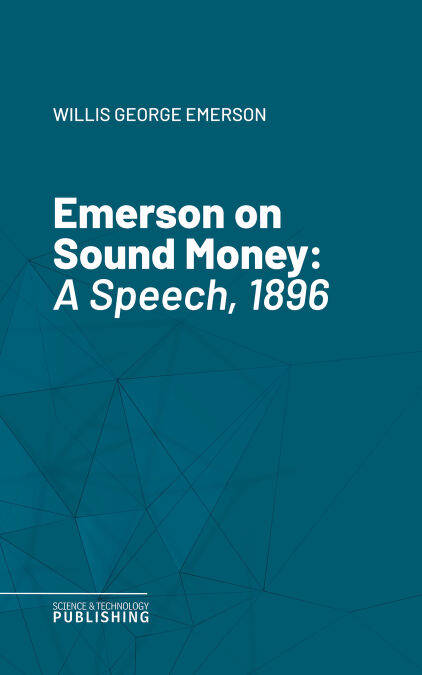
Emerson on Sound Money: A Speech, 1896 is a compelling historical document capturing the economic and political climate of late 19th-century America. Delivered by Louis R. Emerson, this speech addresses the pressing issue of monetary policy during a period marked by intense national debate over the gold standard versus the free coinage of silver. Emerson articulates a strong argument in favor of sound money, advocating for the maintenance of the gold standard as a means to ensure economic stability, national credit, and international trust in American currency. He critiques the populist movement for free silver, warning of inflation, devaluation, and the potential harm to both laborers and business interests. Emerson’s rhetoric is both passionate and reasoned, drawing on economic theory, historical precedent, and patriotic sentiment to persuade his audience. The speech reflects the anxieties and aspirations of an era grappling with rapid industrialization, social change, and the challenges of modern finance. As a primary source, Emerson on Sound Money offers valuable insight into the ideological battles that shaped American economic policy at the dawn of the 20th century, making it essential reading for students of history, economics, and political science.
Specificaties
Betrokkenen
- Auteur(s):
- Uitgeverij:
Inhoud
- Taal:
- Engels
Eigenschappen
- Productcode (EAN):
- 9782528113059
- Verschijningsdatum:
- 31/08/2025
- Uitvoering:
- E-book
- Formaat:
- ePub


Alleen bij Standaard Boekhandel
+ 19 punten op je klantenkaart van Standaard Boekhandel
SOLDEN


Beoordelingen
We publiceren alleen reviews die voldoen aan de voorwaarden voor reviews. Bekijk onze voorwaarden voor reviews.