Standaard Boekhandel gebruikt cookies en gelijkaardige technologieën om de website goed te laten werken en je een betere surfervaring te bezorgen.
Hieronder kan je kiezen welke cookies je wilt inschakelen:
Technische en functionele cookies
Deze cookies zijn essentieel om de website goed te laten functioneren, en laten je toe om bijvoorbeeld in te loggen. Je kan deze cookies niet uitschakelen.
Analytische cookies
Deze cookies verzamelen anonieme informatie over het gebruik van onze website. Op die manier kunnen we de website beter afstemmen op de behoeften van de gebruikers.
Marketingcookies
Deze cookies delen je gedrag op onze website met externe partijen, zodat je op externe platformen relevantere advertenties van Standaard Boekhandel te zien krijgt.
Bedankt voor het vertrouwen het afgelopen jaar! Om jou te bedanken bieden we GRATIS verzending (in België) aan op alles gedurende de hele maand januari.
Afhalen na 1 uur in een winkel met voorraad
In januari gratis thuislevering in België
Ruim aanbod met 7 miljoen producten
Bedankt voor het vertrouwen het afgelopen jaar! Om jou te bedanken bieden we GRATIS verzending (in België) aan op alles gedurende de hele maand januari.
Je kan maximaal 250 producten tegelijk aan je winkelmandje toevoegen. Verwijdere enkele producten uit je winkelmandje, of splits je bestelling op in meerdere bestellingen.
In januari gratis thuislevering in België (via bpost)
Gratis levering in je Standaard Boekhandel
Omschrijving
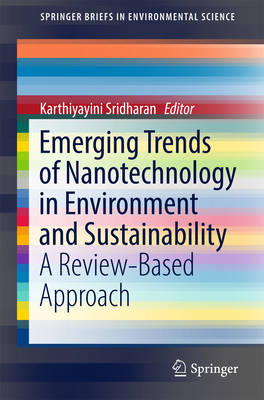
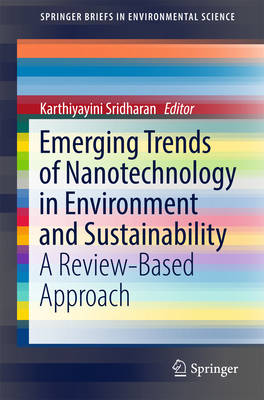
This book discusses nanotechnology, its benefits and risks affecting the environment we live in today, and is divided into three parts: Part-I dealing with Sustainability, Part-II describing Toxicological Impacts, and Part-III discussing Nanomaterial-based Adsorbents. The crucial challenge of sustainability in various environmental elements is a global problem. This draws upon various issues of nanotechnology which impact sustainability of food, clean environment, green house gases, raw materials extraction, manufacturing and automobile industry. Growth in the production of nanomaterials to suit any of these applications is commendable. However, this does not negate the growth in their toxic effects. The nanotoxicity research in areas like medicine and agriculture industry is reviewed in detail in this book. Part-II discusses the toxic nature of widely used nanomaterials. Nanomaterials are enormously used in environmental remediation due to some oftheir distinct properties. These properties are described and discussed. Part-III of the book highlights the highly reactive and adsorbent properties of nanomaterials that enable them to be a competent agent in water and pollutant remediation. This book is mainly intended for researchers and students to acquire fairly comprehensive understanding and appreciation of nanotechnology dominance in sustainability challenges, with the aim to give the anticipatory governance of nanomaterials in our society and environment.