


- Afhalen na 1 uur in een winkel met voorraad
- Gratis thuislevering in België vanaf € 30
- Ruim aanbod met 7 miljoen producten
- Afhalen na 1 uur in een winkel met voorraad
- Gratis thuislevering in België vanaf € 30
- Ruim aanbod met 7 miljoen producten





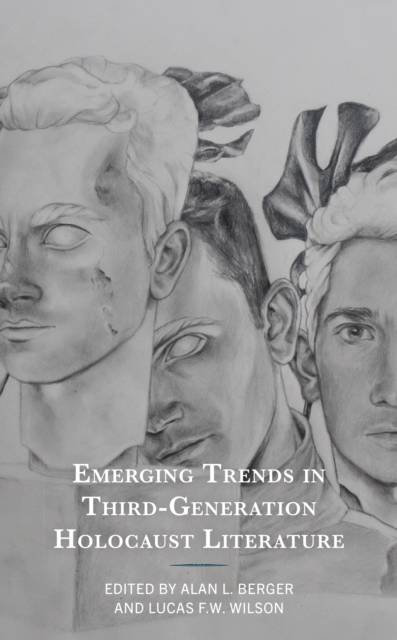
Emerging Trends in Third-Generation Holocaust Literature
€ 186,95
+ 373 punten
Omschrijving
Emerging Trends in Third-Generation Holocaust Literature offers fresh approaches to understanding how grandchildren of Holocaust survivors and perpetrators treat their traumatic legacies. The contributors to this volume present a two-fold perspective: that the past continues to live in the lives of the third generation and that artistic responses to trauma assume a variety of genres, including film, graphic novels, and literature. This generation is acculturated yet set apart from their peers by virtue of their traumatic inheritance. The chapters raise several key questions: How is it possible to negotiate the difference between what Daniel Mendelson terms proximity and distance? How can the post-post-memorial generation both be faithful to Holocaust memory and embrace a message of hope? Can this generation play a constructive educational role? And, finally, why should society care? At a time when the lessons and legacies of Auschwitz are either banalized or under assault, the authors in this volume have a message which ideally should serve to morally center those who live after the event.
Specificaties
Betrokkenen
- Uitgeverij:
Inhoud
- Aantal bladzijden:
- 238
- Taal:
- Engels
- Reeks:
Eigenschappen
- Productcode (EAN):
- 9781666932515
- Verschijningsdatum:
- 8/08/2023
- Uitvoering:
- Hardcover
- Formaat:
- Genaaid
- Afmetingen:
- 152 mm x 229 mm
- Gewicht:
- 521 g


Alleen bij Standaard Boekhandel
+ 373 punten op je klantenkaart van Standaard Boekhandel
Cadeau

AANGERADEN


Beoordelingen
We publiceren alleen reviews die voldoen aan de voorwaarden voor reviews. Bekijk onze voorwaarden voor reviews.