


- Afhalen na 1 uur in een winkel met voorraad
- Gratis thuislevering in België vanaf € 30
- Ruim aanbod met 7 miljoen producten
- Afhalen na 1 uur in een winkel met voorraad
- Gratis thuislevering in België vanaf € 30
- Ruim aanbod met 7 miljoen producten





Omschrijving
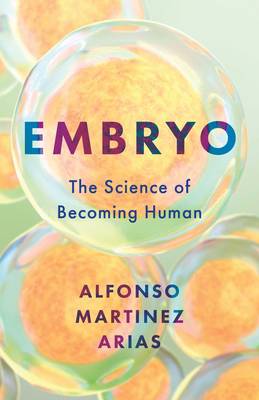
Groundbreaking discoveries in reproductive biology and regenerative medicine are reshaping our ideas of conception, fertility, and the origins of disease. In Embryo, world-leading developmental biologist Alfonso Martinez Arias traces the embryo's formation over its first fifty days while exploring how new technologies are changing how we view our origins, ourselves, and our future. The events that shape our lives happen in secret, inside our mother's wombs, but Martinez Arias's research with stem cells has laid them all out in the open. His work has shown that during the first fifty days after conception, a blueprint is created through a conversation between genes and cells in which the cells, not the genes, dictate what happens next. Many diseases have their origins during these early days and research has opened the door to their cure. But it has also opened a Pandora's box of ethical questions associated with whether we should allow the genetic modification of embryos, or what would happen if we are to create a human being in the laboratory. What exactly are we doing? How far should we take this research? Beyond establishing new paths for the study of human development, Martinez Arias is also a vocal advocate on the need to address outstanding issues of the ethical and legal aspects of human embryology. This brilliant and breath-taking book tackles these existential questions by revealing the cutting-edge developments happening at the frontier of development biology, from In Vitro Fertilization (IVF) and artificial wombs to the impact of stem cells, three-parent babies, CRISPR, and the potential for lab-grown embryos. Embryo tells the story that raises these urgent questions and looks into a future that a few years ago would have sounded like science fiction. It is a definitive account of the state-of-the-art in our understanding of the earliest stages of our existence, brought to life through vivid stories blending scientific discovery, history, and real people.
Specificaties
Betrokkenen
- Auteur(s):
- Uitgeverij:
Inhoud
- Aantal bladzijden:
- 264
- Taal:
- Engels
Eigenschappen
- Productcode (EAN):
- 9781493095186
- Verschijningsdatum:
- 17/11/2026
- Uitvoering:
- Hardcover
- Formaat:
- Genaaid
- Afmetingen:
- 152 mm x 229 mm
- Gewicht:
- 453 g


Alleen bij Standaard Boekhandel
+ 91 punten op je klantenkaart van Standaard Boekhandel
AANGERADEN


Beoordelingen
We publiceren alleen reviews die voldoen aan de voorwaarden voor reviews. Bekijk onze voorwaarden voor reviews.