


- Afhalen na 1 uur in een winkel met voorraad
- Gratis thuislevering in België vanaf € 30
- Ruim aanbod met 7 miljoen producten
- Afhalen na 1 uur in een winkel met voorraad
- Gratis thuislevering in België vanaf € 30
- Ruim aanbod met 7 miljoen producten





€ 95,40
+ 190 punten
Omschrijving
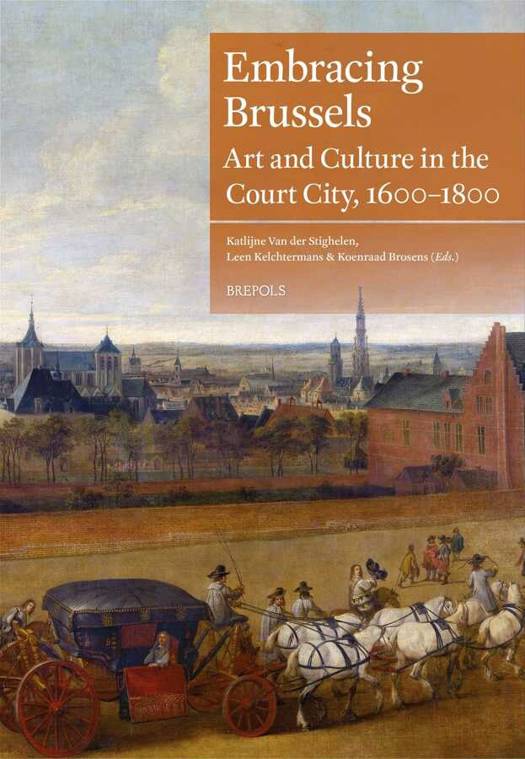
It would appear that 'Flemish Baroque' has come to be regarded as synonymous with 'Antwerp Baroque'. The aim of this publication on art and art production in Brussels in the period 1600-1800 is to reconsider the art-historical position of Brussels as a major hub of activity and place of residence for courtiers and artists alike. Attention will focus on matters as diverse as literature, music, housing, and the guild system, besides which aspects of the art trade, style differentiation and case studies relating to individual artists will be discussed. In the seventeenth and early eighteenth centuries, the Habsburg Court was viewed as the supreme creative centre, where systems of symbols were forged and propagated that were designed to display both the artist's craftsmanship and the ruler's piety.
Specificaties
Betrokkenen
- Auteur(s):
- Uitgeverij:
Inhoud
- Aantal bladzijden:
- 277
- Taal:
- Engels
- Reeks:
- Reeksnummer:
- nr. 24
Eigenschappen
- Productcode (EAN):
- 9782503542287
- Verschijningsdatum:
- 19/06/2013
- Uitvoering:
- Boek
- Afmetingen:
- 211 mm x 297 mm
- Gewicht:
- 1247 g


Alleen bij Standaard Boekhandel
+ 190 punten op je klantenkaart van Standaard Boekhandel
Cadeau

AANGERADEN


Beoordelingen
We publiceren alleen reviews die voldoen aan de voorwaarden voor reviews. Bekijk onze voorwaarden voor reviews.