


- Afhalen na 1 uur in een winkel met voorraad
- Gratis thuislevering in België vanaf € 30
- Ruim aanbod met 7 miljoen producten
- Afhalen na 1 uur in een winkel met voorraad
- Gratis thuislevering in België vanaf € 30
- Ruim aanbod met 7 miljoen producten





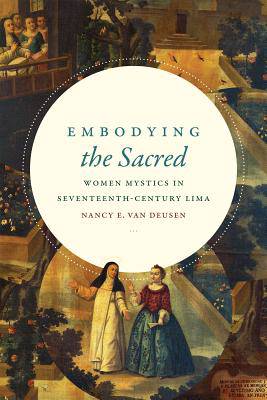
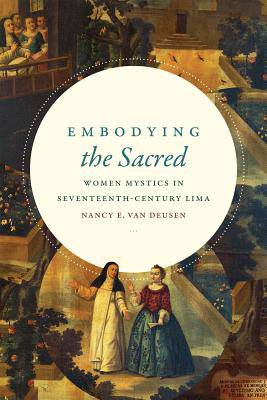
Embodying the Sacred
Women Mystics in Seventeenth-Century Lima
Nancy E Van Deusen
Hardcover | Engels
€ 157,45
+ 314 punten
Uitvoering
Omschrijving
In seventeenth-century Lima, pious Catholic women gained profound theological understanding and enacted expressions of spiritual devotion by engaging with a wide range of sacred texts and objects, as well as with one another, their families, and ecclesiastical authorities. In Embodying the Sacred, Nancy E. van Deusen considers how women created and navigated a spiritual existence within the colonial city's complex social milieu. Through close readings of diverse primary sources, van Deusen shows that these women recognized the divine-or were objectified as conduits of holiness-in innovative and powerful ways: dressing a religious statue, performing charitable acts, sharing interiorized spiritual visions, constructing autobiographical texts, or offering their hair or fingernails to disciples as living relics. In these manifestations of piety, each of these women transcended the limited outlets available to them for expressing and enacting their faith in colonial Lima, and each transformed early modern Catholicism in meaningful ways.
Specificaties
Betrokkenen
- Auteur(s):
- Uitgeverij:
Inhoud
- Aantal bladzijden:
- 280
- Taal:
- Engels
Eigenschappen
- Productcode (EAN):
- 9780822369899
- Verschijningsdatum:
- 22/12/2017
- Uitvoering:
- Hardcover
- Formaat:
- Genaaid
- Afmetingen:
- 157 mm x 234 mm
- Gewicht:
- 453 g


Alleen bij Standaard Boekhandel
+ 314 punten op je klantenkaart van Standaard Boekhandel
Cadeau

AANGERADEN


Beoordelingen
We publiceren alleen reviews die voldoen aan de voorwaarden voor reviews. Bekijk onze voorwaarden voor reviews.