


- Afhalen na 1 uur in een winkel met voorraad
- Gratis thuislevering in België vanaf € 30
- Ruim aanbod met 7 miljoen producten
- Afhalen na 1 uur in een winkel met voorraad
- Gratis thuislevering in België vanaf € 30
- Ruim aanbod met 7 miljoen producten





€ 220,45
+ 440 punten
Omschrijving
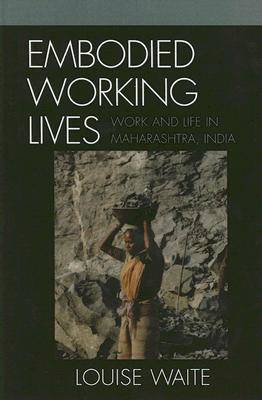
Both theoretical and empirical social science approaches to manual work in developing countries emphasize the infusions of power in social relations between workers and employers. But little attention has been paid to either the lived experiences of non-industrial and industrial manual workers or to the particularly physical character of their work. In Embodied Working Lives Louise Waite contributes to an expanded understanding of both. The concept of embodiment recognizes that bodies' habitual relations with the world engender subjectivities and life experiences. The most careful consideration of everyday-embodiment is found in the phenomenological tradition that theorizes 'incarnated consciousness' and 'embodied subjectivities.' This book follows such an understanding of embodiment, whose essence is to bridge the biological and the social. Waite incorporates embodiment into an ethnographic exploration of the worker-understood, in her study, to have 'personhood, ' preferences, and desires which play a part in social relations. Waite's situates the subjects of her study in a deeply dense context of social relations that sufficiently complicate our understanding of culture, work, bodies and embodiment, phenomenology, anthropology, and habit. This book is essential reading across the social sciences and in the humanities. It is a groundbreaking ethnography that raises interesting questions in applied phenomenology, humanist philosophies, and also policy studies.
Specificaties
Betrokkenen
- Auteur(s):
- Uitgeverij:
Inhoud
- Aantal bladzijden:
- 268
- Taal:
- Engels
Eigenschappen
- Productcode (EAN):
- 9780739108765
- Verschijningsdatum:
- 1/03/2006
- Uitvoering:
- Hardcover
- Formaat:
- Genaaid
- Afmetingen:
- 155 mm x 236 mm
- Gewicht:
- 508 g


Alleen bij Standaard Boekhandel
+ 440 punten op je klantenkaart van Standaard Boekhandel
Cadeau

AANGERADEN


Beoordelingen
We publiceren alleen reviews die voldoen aan de voorwaarden voor reviews. Bekijk onze voorwaarden voor reviews.