


- Afhalen na 1 uur in een winkel met voorraad
- Gratis thuislevering in België vanaf € 30
- Ruim aanbod met 7 miljoen producten
- Afhalen na 1 uur in een winkel met voorraad
- Gratis thuislevering in België vanaf € 30
- Ruim aanbod met 7 miljoen producten





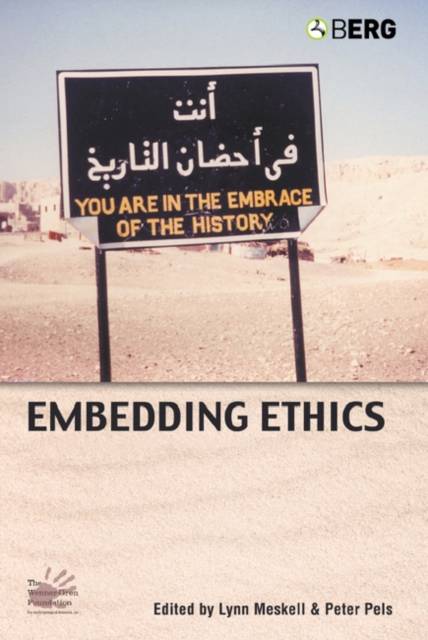
Embedding Ethics
€ 83,95
+ 167 punten
Omschrijving
Anthropologists who talk about ethics generally mean the code of practice drafted by a professional association for implementation by its members. As this book convincingly shows, such a conception is far too narrow. A more radical approach is to recognize that moral judgments are made at every juncture of scientific practice and they require a negotiation of responsibility with all stakeholders in the research enterprise.Embedding Ethics questions why ethics have been divorced from scientific expertise. Invoking different disciplinary practices from biological, archaeological, cultural, and linguistic anthropology, contributors show how ethics should be resituated at the heart of, rather than exterior to, scientific activity. Positioning the researcher as a negotiator of significant truths rather than an adjudicator of a priori precepts enables contributors to relocate ethics in new sets of social and scientific relationships triggered by recent globalization processes - from new forms of intellectual and cultural ownership to accountability in governance, and the very ways in which people are studied. Case studies from ethnographic research, museum display, archaeological fieldwork and professional monitoring illustrate both best practice and potential pitfalls.This important book is an essential guide for all anthropologists who wish to be active contributors to the discussion on ethics and the ethical practice of their profession.
Specificaties
Betrokkenen
- Uitgeverij:
Inhoud
- Aantal bladzijden:
- 336
- Taal:
- Engels
- Reeks:
- Reeksnummer:
- nr. 4
Eigenschappen
- Productcode (EAN):
- 9781845200473
- Verschijningsdatum:
- 1/07/2005
- Uitvoering:
- Paperback
- Formaat:
- Trade paperback (VS)
- Afmetingen:
- 161 mm x 234 mm
- Gewicht:
- 580 g


Alleen bij Standaard Boekhandel
+ 167 punten op je klantenkaart van Standaard Boekhandel

Beoordelingen
We publiceren alleen reviews die voldoen aan de voorwaarden voor reviews. Bekijk onze voorwaarden voor reviews.