


- Afhalen na 1 uur in een winkel met voorraad
- Gratis thuislevering in België vanaf € 30
- Ruim aanbod met 7 miljoen producten
- Afhalen na 1 uur in een winkel met voorraad
- Gratis thuislevering in België vanaf € 30
- Ruim aanbod met 7 miljoen producten





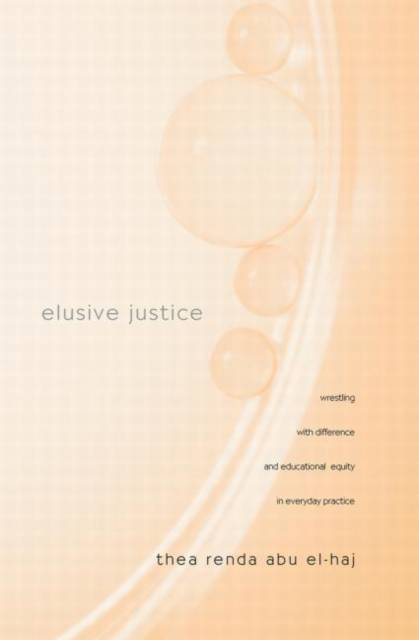
Elusive Justice
Wrestling with Difference and Educational Equity in Everyday Practice
Thea Renda Abu El-Haj
€ 389,45
+ 778 punten
Uitvoering
Omschrijving
Elusive Justice addresses how educators think about and act upon, differences in schools - be they based on race, gender, class, or disability - and how discourse and practice about such differences are intimately bound up with educational justice. Rather than skip over contentious or uncomfortable dialogues about difference, Thea Abu El-Haj tackles them head on. Through rich and detailed ethnographic portraits of two schools with a commitment to social justice, she analyzes the ways discourses about difference provide a key site for both producing and resisting inequalities, and examines the dilemmas that emerge from either focusing on or ignoring them. In interrogating fundamental assumptions about difference and equity, Abu El-Haj deftly blends critique with a search for hope and possibility, to ultimately argue for ways educators might translate ideals about justice into effective practice.
Specificaties
Betrokkenen
- Auteur(s):
- Uitgeverij:
Inhoud
- Aantal bladzijden:
- 254
- Taal:
- Engels
- Reeks:
Eigenschappen
- Productcode (EAN):
- 9780415953658
- Verschijningsdatum:
- 1/09/2006
- Uitvoering:
- Hardcover
- Formaat:
- Genaaid
- Afmetingen:
- 162 mm x 230 mm
- Gewicht:
- 539 g


Alleen bij Standaard Boekhandel
+ 778 punten op je klantenkaart van Standaard Boekhandel
Cadeau

AANGERADEN


Beoordelingen
We publiceren alleen reviews die voldoen aan de voorwaarden voor reviews. Bekijk onze voorwaarden voor reviews.