


- Afhalen na 1 uur in een winkel met voorraad
- Gratis thuislevering in België vanaf € 30
- Ruim aanbod met 7 miljoen producten
- Afhalen na 1 uur in een winkel met voorraad
- Gratis thuislevering in België vanaf € 30
- Ruim aanbod met 7 miljoen producten





€ 38,01
+ 38 punten
Uitvoering
Omschrijving
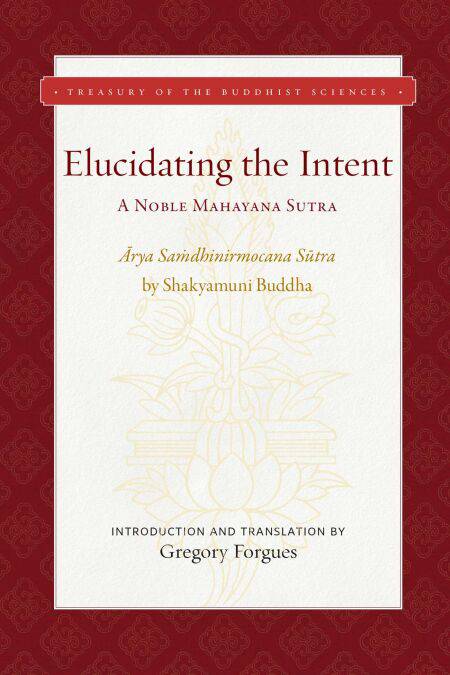
The Buddha’s final pronouncement on how to understand precisely the entirety of his teachings on key elements of meditative practice, the role of language in metaphysical insight, and the nature of enlightenment itself.
Elucidating the Intent (Arya-samdhinirmocana-nama-mahayana-sutra) is a foundational text in the East Asian and Indo-Tibetan Buddhist canons that reveals vitally important points of practice and philosophy. Over eight chapters of deepening profundity, the Buddha dispels the confusion of his interlocutors on the fundamental aspects of meditation and liberation, making this a text treasured across these Buddhist traditions. With perfect precision, the Buddha clarifies his teachings, particularly those related to the nature of existence that he had propounded in the Perfection of Wisdom literature. Whereas in other teachings the Buddha elaborated extensive ethical principles for both monastics and laypersons, therein he declared all existent things to lack any essential nature or characteristic, which seemed to undermine these very principles. So, these interlocutors plead, elucidate the intent of these teachings. In so doing, the Buddha explains exactly how to balance the twin elements of Buddhist concern over the millennia: how to maintain intense meditative practice, disposition of universal compassion, and infallible ethics while simultaneously unraveling self-grasping habit patterns. Perfectly balanced, the Buddha explains, these two constitute the path to enlightenment.
This text, then, could not be more critical to all Buddhist traditions, which is why it has remained a jewel for scholars and practitioners. Combining philological and philosophical accuracy in light of recent international scholarship, Gregory Forgues’ rendering marks a significant advance over prior translations. This new rendering, with a brief introduction and extensive glossary, introduces a new generation of scholars and practitioners to its rich offerings.
Elucidating the Intent (Arya-samdhinirmocana-nama-mahayana-sutra) is a foundational text in the East Asian and Indo-Tibetan Buddhist canons that reveals vitally important points of practice and philosophy. Over eight chapters of deepening profundity, the Buddha dispels the confusion of his interlocutors on the fundamental aspects of meditation and liberation, making this a text treasured across these Buddhist traditions. With perfect precision, the Buddha clarifies his teachings, particularly those related to the nature of existence that he had propounded in the Perfection of Wisdom literature. Whereas in other teachings the Buddha elaborated extensive ethical principles for both monastics and laypersons, therein he declared all existent things to lack any essential nature or characteristic, which seemed to undermine these very principles. So, these interlocutors plead, elucidate the intent of these teachings. In so doing, the Buddha explains exactly how to balance the twin elements of Buddhist concern over the millennia: how to maintain intense meditative practice, disposition of universal compassion, and infallible ethics while simultaneously unraveling self-grasping habit patterns. Perfectly balanced, the Buddha explains, these two constitute the path to enlightenment.
This text, then, could not be more critical to all Buddhist traditions, which is why it has remained a jewel for scholars and practitioners. Combining philological and philosophical accuracy in light of recent international scholarship, Gregory Forgues’ rendering marks a significant advance over prior translations. This new rendering, with a brief introduction and extensive glossary, introduces a new generation of scholars and practitioners to its rich offerings.
Specificaties
Betrokkenen
- Auteur(s):
- Uitgeverij:
Inhoud
- Aantal bladzijden:
- 256
- Taal:
- Engels
Eigenschappen
- Productcode (EAN):
- 9781949163353
- Verschijningsdatum:
- 13/04/2026
- Uitvoering:
- E-book
- Beveiligd met:
- Adobe DRM
- Formaat:
- ePub


Alleen bij Standaard Boekhandel
+ 38 punten op je klantenkaart van Standaard Boekhandel
Cadeau

AANGERADEN


Beoordelingen
We publiceren alleen reviews die voldoen aan de voorwaarden voor reviews. Bekijk onze voorwaarden voor reviews.