


- Afhalen na 1 uur in een winkel met voorraad
- Gratis thuislevering in België vanaf € 30
- Ruim aanbod met 7 miljoen producten
- Afhalen na 1 uur in een winkel met voorraad
- Gratis thuislevering in België vanaf € 30
- Ruim aanbod met 7 miljoen producten





€ 33,95
+ 67 punten
Omschrijving
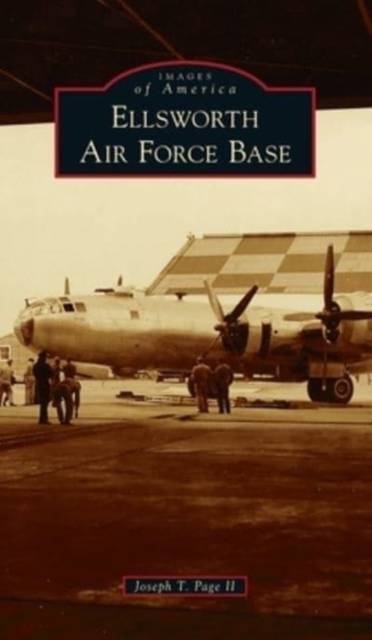
Rapid City Army Air Base was constructed in 1942 and used as a training location for B-17 Flying Fortress heavy bomber aircrews throughout the duration of World War II. After the war, the newly renamed Rapid City Air Force Base (AFB) led the nation's strategic bombardment force, deploying B-29 Superfortresses to Britain during the Berlin Blockade and later flying the B-36 Peacemaker heavy bomber. In 1953, Pres. Dwight D. Eisenhower renamed the base for Brig. Gen. Richard E. Ellsworth, who was killed during a mission over Burgoyne's Cove, Newfoundland. From 1960 to 1994, Ellsworth AFB was a Strategic Air Command superbase containing two legs of the American Strategic Nuclear Triad--heavy bomber aircraft (B-52 Stratofortresses and B-1B Lancers) and land-based intercontinental ballistic missiles (Titan and Minuteman). Today, the personnel at Ellsworth AFB continue to build upon the storied legacy of the South Dakota base, projecting American airpower around the world.
Specificaties
Betrokkenen
- Auteur(s):
- Uitgeverij:
Inhoud
- Aantal bladzijden:
- 130
- Taal:
- Engels
- Reeks:
Eigenschappen
- Productcode (EAN):
- 9781540247933
- Verschijningsdatum:
- 21/06/2021
- Uitvoering:
- Hardcover
- Formaat:
- Genaaid
- Afmetingen:
- 127 mm x 203 mm
- Gewicht:
- 254 g


Alleen bij Standaard Boekhandel
+ 67 punten op je klantenkaart van Standaard Boekhandel
Cadeau

AANGERADEN


Beoordelingen
We publiceren alleen reviews die voldoen aan de voorwaarden voor reviews. Bekijk onze voorwaarden voor reviews.