


- Afhalen na 1 uur in een winkel met voorraad
- Gratis thuislevering in België vanaf € 30
- Ruim aanbod met 7 miljoen producten
- Afhalen na 1 uur in een winkel met voorraad
- Gratis thuislevering in België vanaf € 30
- Ruim aanbod met 7 miljoen producten





€ 102,95
+ 205 punten
Omschrijving
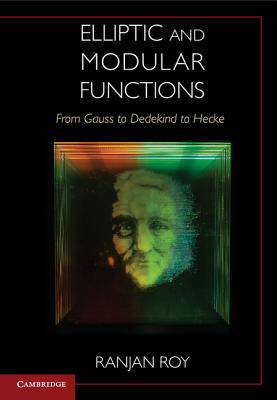
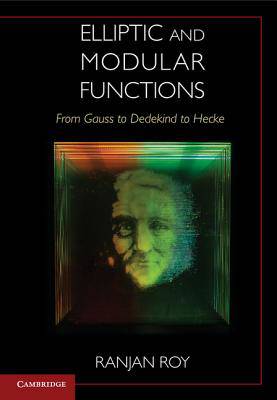
This thorough work presents the fundamental results of modular function theory as developed during the nineteenth and early-twentieth centuries. It features beautiful formulas and derives them using skillful and ingenious manipulations, especially classical methods often overlooked today. Starting with the work of Gauss, Abel, and Jacobi, the book then discusses the attempt by Dedekind to construct a theory of modular functions independent of elliptic functions. The latter part of the book explains how Hurwitz completed this task and includes one of Hurwitz's landmark papers, translated by the author, and delves into the work of Ramanujan, Mordell, and Hecke. For graduate students and experts in modular forms, this book demonstrates the relevance of these original sources and thereby provides the reader with new insights into contemporary work in this area.
Specificaties
Betrokkenen
- Auteur(s):
- Uitgeverij:
Inhoud
- Aantal bladzijden:
- 488
- Taal:
- Engels
Eigenschappen
- Productcode (EAN):
- 9781107159389
- Verschijningsdatum:
- 18/04/2017
- Uitvoering:
- Hardcover
- Formaat:
- Genaaid
- Afmetingen:
- 180 mm x 265 mm
- Gewicht:
- 1043 g


Alleen bij Standaard Boekhandel
+ 205 punten op je klantenkaart van Standaard Boekhandel

Beoordelingen
We publiceren alleen reviews die voldoen aan de voorwaarden voor reviews. Bekijk onze voorwaarden voor reviews.