


- Afhalen na 1 uur in een winkel met voorraad
- Gratis thuislevering in België vanaf € 30
- Ruim aanbod met 7 miljoen producten
- Afhalen na 1 uur in een winkel met voorraad
- Gratis thuislevering in België vanaf € 30
- Ruim aanbod met 7 miljoen producten





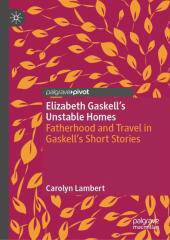
Elizabeth Gaskell's Unstable Homes
Fatherhood and Travel in Gaskell's Short Stories
Carolyn Lambert
Hardcover | Engels
€ 43,45
+ 86 punten
Omschrijving
This book examines apparently dichotomous aspects of Gaskell's short stories: her failed fathers and her travel writing. The analysis links these themes by examining the ways in which Gaskell used a complex mix of unstable cultural ideas to demonstrate the fragility of home and family life and to challenge gendered norms.
The analysis of Gaskell's fictional fathers is considered in the context of nineteenth-century debates about the role of fathers within the home. Fathers in Gaskell's stories are presented as a disruptive force, breaking rather than creating a stable, secure family environment. Their behaviour becomes a motivator for travel as an escape from home. Travel also posed a transgressive challenge to the domestic environment and to gendered norms. Women travel writers were particularly vulnerable to accusations of exaggeration and falsehood. By incorporating themes of travel into her fiction, Gaskell was able to produce texts that are arguably richer than more straightforward travel accounts. In the texts discussed, Gaskell explores the ways in which travel, whether undertaken willingly or reluctantly, requires women to negotiate a physical, geographical and emotional space.
The short stories examined in this book illustrate Gaskell's narrative hybridity and the ways in which her creative synthesis allows her to subtly challenge existing social and cultural hegemonies. Above all, the texts show her consistent resistance to patriarchal control and her commitment to a more equal and fluid society centred on home and the family.
Specificaties
Betrokkenen
- Auteur(s):
- Uitgeverij:
Inhoud
- Aantal bladzijden:
- 129
- Taal:
- Engels
Eigenschappen
- Productcode (EAN):
- 9783032259721
- Verschijningsdatum:
- 13/05/2026
- Uitvoering:
- Hardcover
- Formaat:
- Genaaid
- Afmetingen:
- 148 mm x 210 mm



Alleen bij Standaard Boekhandel
+ 86 punten op je klantenkaart van Standaard Boekhandel
Cadeau

AANGERADEN


Beoordelingen
We publiceren alleen reviews die voldoen aan de voorwaarden voor reviews. Bekijk onze voorwaarden voor reviews.